Anxiety Pen: Does It Really Work? Here’s What to Know First
If you’ve stumbled across anxiety pens online or heard friends talking about them, you’re probably wondering what all the buzz is about. Maybe you’ve been scrolling through social media at 2 AM, feeling that familiar knot of anxiety in your chest, and suddenly an ad pops up promising instant relief in a sleek little pen.
I get it. When anxiety feels overwhelming, the idea of something portable and discreet that might help sounds incredibly appealing. Searches for “anxiety pen” have skyrocketed–we’re talking over 9,000 searches monthly–which tells me a lot of people are looking for relief and hoping this might be it.
Here’s the thing though: as someone who works with anxiety and anxiety related disorders, I want to give you the real story. What are these devices actually doing? Are they safe? And more importantly, what are some alternatives that might actually support your mental health in more meaningful ways?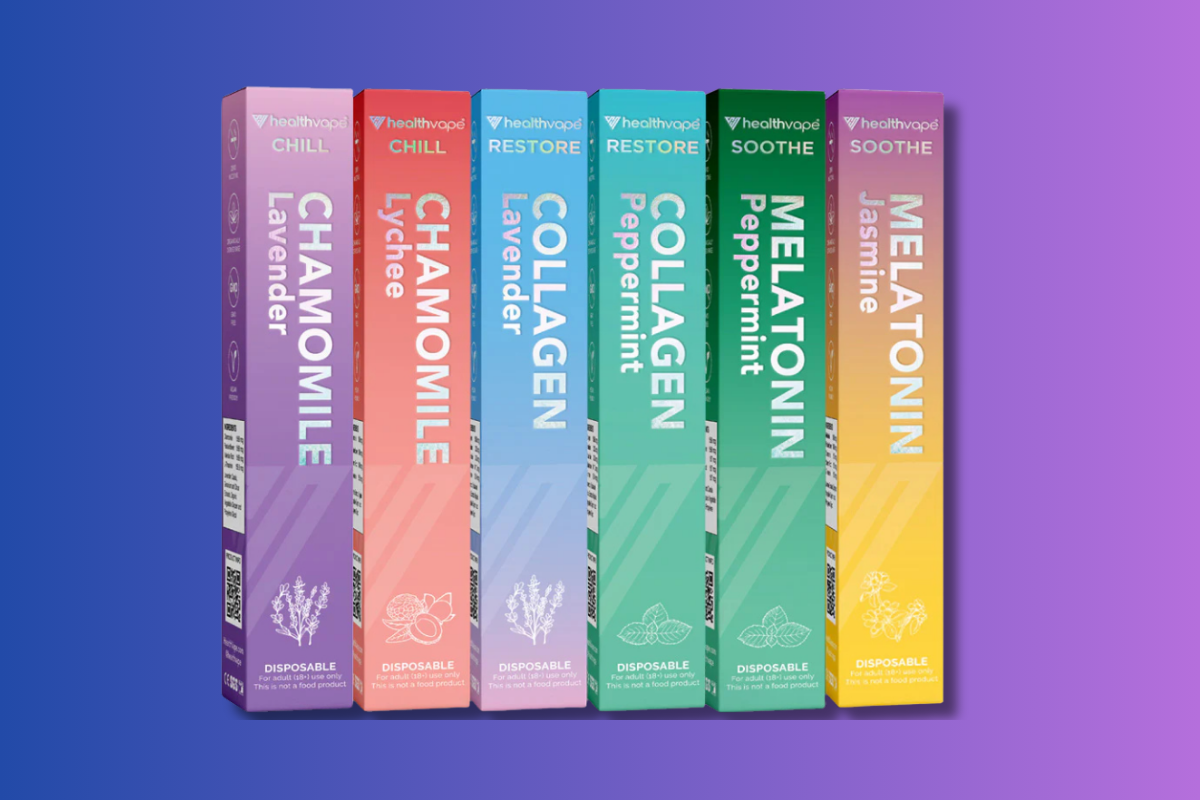
What is an Anxiety Pen?
Anxiety pens are small, portable devices that look a lot like, well, pens. The term gets used loosely, but most of the time people are talking about products you inhale from—not simple fidget tools. These pens are marketed as quick fixes for anxiety and generally fall into three categories:
Aromatherapy pens: These create a breathable vapor infused with essential oils like lavender or chamomile that you breathe in. The idea is that certain scents might help you feel calmer.
Vitamin vapes: These are designed to vaporize ingredients like B12 or melatonin. The marketing often suggests you’re getting wellness benefits through inhalation.
Sensory/fidget pens: More like fidget tools shaped like pens—no vapor involved, just something to keep your hands busy and your focus grounded. These can be helpful for calming worry, but they’re not usually what people mean when searching for “anxiety pens.
The appeal is obvious: they’re small enough to slip into your pocket, nobody really knows what you’re using, and you can reach for them when anxiety hits. But here’s what’s important to understand—none of these are FDA-approved medical devices, and they’re not recognized treatments for anxiety disorders.
Is an Anxiety Pen Just a Vape Pen?
This is such a good question—and honestly, the lines can get pretty blurry.
Traditional nicotine vapes contain (you guessed it) nicotine, along with flavoring agents and other chemicals. These come with well-documented health risks, especially with long-term use.
Anxiety pens, on the other hand, are often marketed as “nicotine-free” and may contain essential oils, vitamins like B12, or melatonin. That might sound safer—and in some ways, it may be. But here’s where it gets tricky: the delivery method still matters.
Even without nicotine, if you’re directly inhaling vapor from a pen, you’re essentially vaping. Inhaling vapor allows substances to enter the bloodstream through the lungs, which is why the delivery method matters. And while some essential oils can be helpful in calming the nervous system (we do recommend them in topical roll-ons or diffusers), that doesn’t mean they’re safe to inhale into your lungs in concentrated, heated form.
The American Lung Association puts it plainly:
“As a rule, inhaling anything other than clean air into your lungs is not good for your health. Essential oils are no exception.”
This isn’t about fear—it’s about being informed. Inhaling essential oil vapor or vitamin-infused mist may cause lung irritation, coughing, or breathing difficulties. And if you have asthma, allergies, or other respiratory conditions, the risks can be even more serious.
So yes, while anxiety pens may not contain nicotine, they still function like vapes—and that’s an important distinction to understand.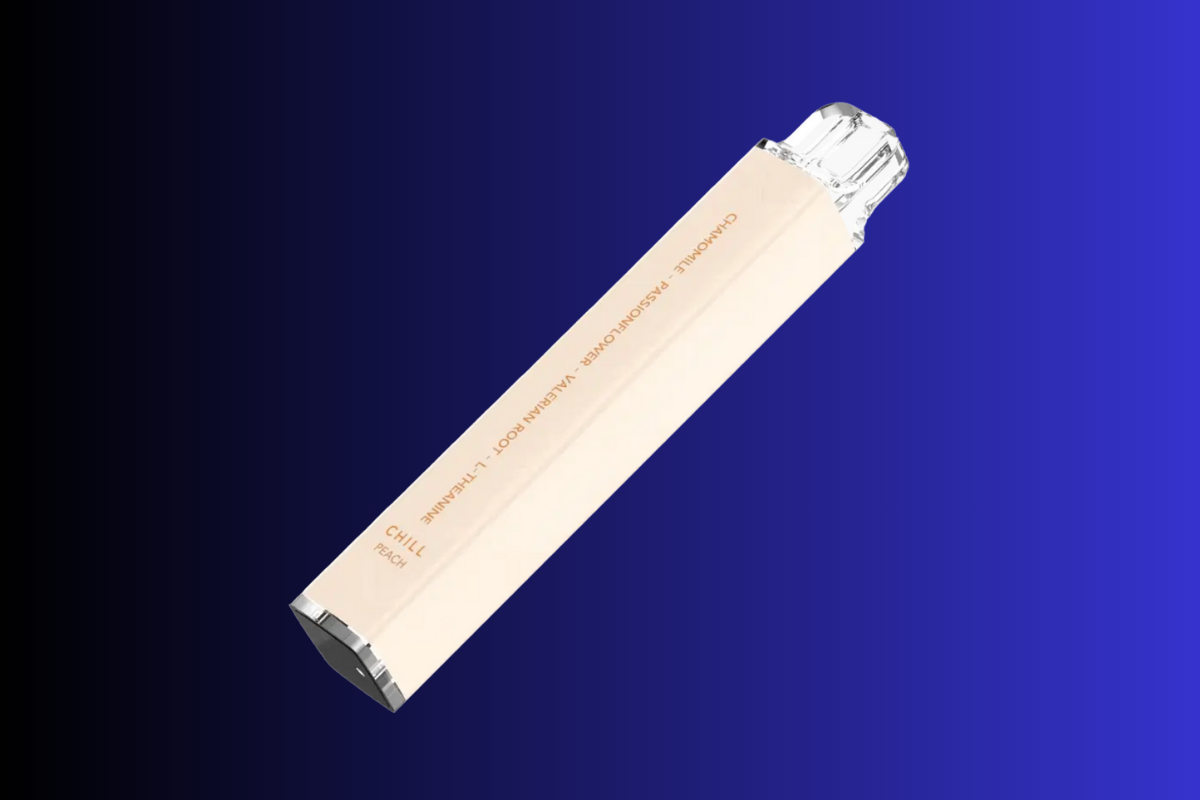
Do Anxiety Pens Really Work?
I’ve had people ask me this question countless times, and the answer is… complicated. Some folks do report feeling calmer after using them, and there are a few reasons why that might happen:
- The placebo effect is real and powerful. When you believe something will help you feel better, sometimes it genuinely does—at least temporarily. Your brain is incredibly good at creating the relief it expects.
- Breathing practices matter. When you use any of these pens, you’re naturally slowing down and focusing on your breath. That mindful breathing? It’s likely doing most of the heavy lifting—not necessarily what you’re inhaling.
- Scent and memory are deeply connected. If lavender reminds you of feeling safe and calm, catching a whiff of it might genuinely help you feel more grounded in the moment.
- A simple sensory reset. Strong smells can act as a quick “pattern interrupt,” pulling your mind out of racing thoughts and back into the present moment. That little jolt of focus can feel surprisingly calming.
- The power of ritual. Picking up the pen, inhaling, and pausing creates a mini self-care routine. Sometimes it’s less about the pen itself and more about the intentional act of slowing down.
The catch is that these effects tend to be short-lived. Research on aromatherapy suggests it may offer temporary relief from anxiety in certain situations—like during medical procedures or short-term stress—but it’s not considered a long-term solution for managing chronic or generalized anxiety. And importantly, most of that research involves diffused essential oils, not concentrated oils heated and inhaled directly into the lungs.
From a therapeutic perspective, what concerns me is when people start relying solely on these quick fixes, rather than developing the deeper coping skills that support long-term healing and regulation.
What Does the Research Say About Anxiety Pens?
When it comes to the science, research simply hasn’t caught up to the marketing. Right now, there hasn’t been a systematic review showing that anxiety pens are effective for treating anxiety disorders. A handful of small studies suggest that scents like lavender or chamomile can temporarily promote relaxation or ease heightened worry, but here’s the catch: nearly all of that research involves diluted oils in a diffuser, not concentrated flavor vapors being heated and inhaled directly into the lungs.
As of today, there are no large-scale clinical trials testing anxiety pens specifically. Health organizations—including the American Lung Association and the American Pharmacists Association—continue to caution that our lungs simply aren’t designed to process oils, vitamins, or other substances in vapor form. Inhaling them can sometimes create irritation, breathing difficulties, or even mimic symptoms more often associated with smoking. And because these vapors are unregulated, you often can’t be sure what’s really in them or how consistent the doses are.
What this all means is that health professionals cannot responsibly recommend anxiety pens as safe or proven treatments. At best, they may create a brief relaxation response or a short-term shift in mood, but they don’t address the underlying causes of anxiety or support long-term wellbeing. If you’re hoping to move past the endless wait for symptom relief, you’ll likely find more lasting calm in approaches that strengthen coping skills and build resilience over time.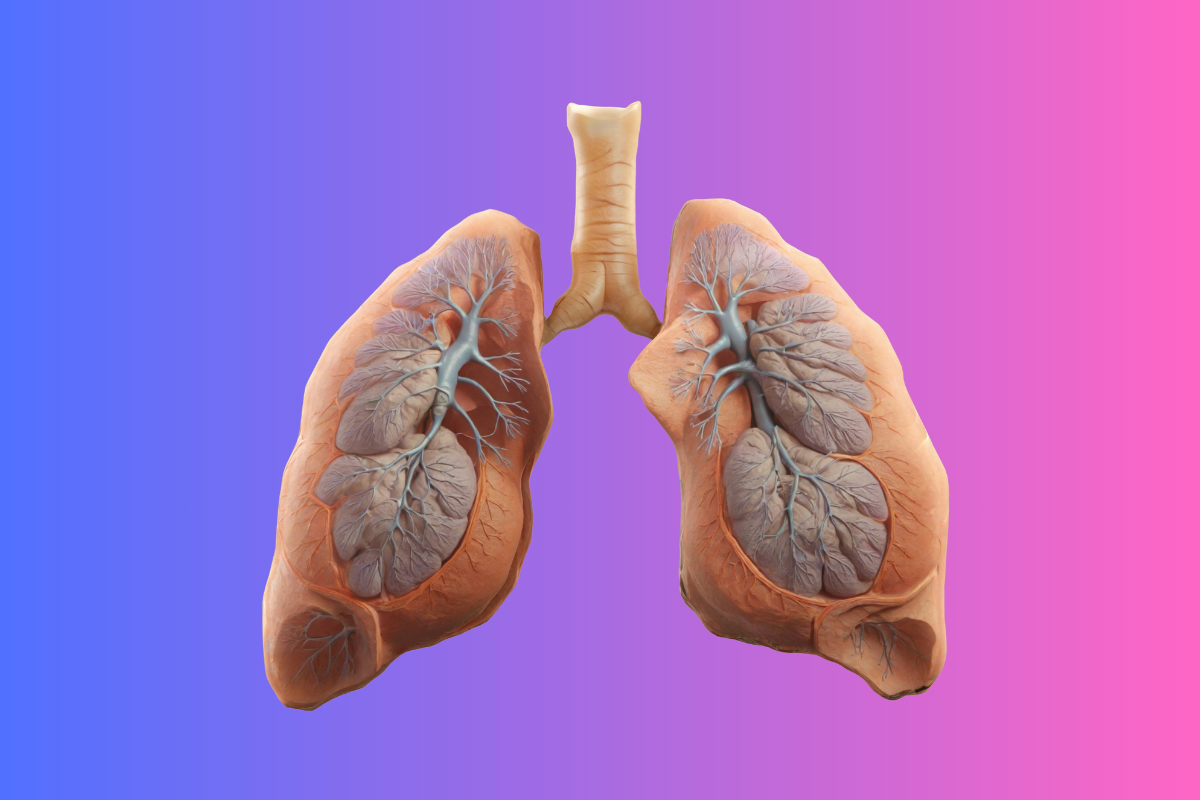
Are Anxiety Pens Safe to Use?
This is where I want to be really honest with you—because there are some legitimate safety concerns:
- Lack of regulation means uncertainty. These products aren’t held to the same standards as medications or medical devices. That means you may not know exactly what you’re inhaling, how concentrated it is, or how your body might react.
- Our lungs are sensitive, and not built for concentrated vapor. Even “natural” ingredients—like essential oils—can irritate the delicate tissues in your respiratory system when inhaled directly. Some people experience coughing, throat irritation, or shortness of breath. Ingredients such as lavender, chamomile, or cassia, which are sometimes found in anxiety pens, may also cause irritation for some users.
- The bigger picture matters. If you’re only reaching for quick-relief tools, you might be unintentionally avoiding the deeper work that helps reduce anxiety in the long run.
If you’re still considering trying one despite these concerns, I’d encourage you to talk with a healthcare provider first, especially if you have any preexisting conditions. And please, keep these products away from kids and teens. Their lungs are still developing, and they’re more vulnerable to harm.
Quick In-the-Moment Alternatives for Reducing Anxiety Quickly
When anxiety hits, you want relief now, not later. Hence, the allure of anxiety pens. The good news? You don’t need to buy anything or put anything in your lungs to feel better in the moment. Your body already has everything it needs.
Here are some techniques that can work just as fast as reaching for any device:
🔹 Box Breathing (4-4-4-4 method): Breathe in for 4 counts, hold for 4, exhale for 4, hold for 4. It’s simple, but it genuinely helps reset your nervous system and promotes relaxation.
🔹 5-4-3-2-1 Grounding: This one pulls you right back to the present moment. Name 5 things you can see, 4 things you can touch, 3 things you hear, 2 things you smell, and 1 thing you taste. It interrupts that cycle of worry and brings you back to your body.
🔹 Progressive Muscle Relaxation: Tense your shoulders for a few seconds, then release. Do the same with your arms, your hands, your face. This physical release can help your mind follow suit.
🔹 Calming Movement: Sometimes anxiety gets trapped in our bodies. A slow walk, gentle stretching, or even just shaking out your hands can help move that stuck energy.
The beautiful thing about these techniques? They’re always with you, they don’t cost anything, and they actually help you build confidence in your ability to calm yourself. No devices required.
Therapist-Recommended Alternatives for Managing Anxiety
Instead of looking for quick fixes, let me share some approaches that research consistently shows can make a real difference over time:
🔹 Deep Breathing Techniques. Your breath is this amazing built-in tool for calming your nervous system. When you breathe slowly and deliberately, you’re literally sending signals to your body that you’re safe. It’s immediate, it’s free, and you can do it anywhere without putting anything in your lungs. Use one of the technical practices listed above.
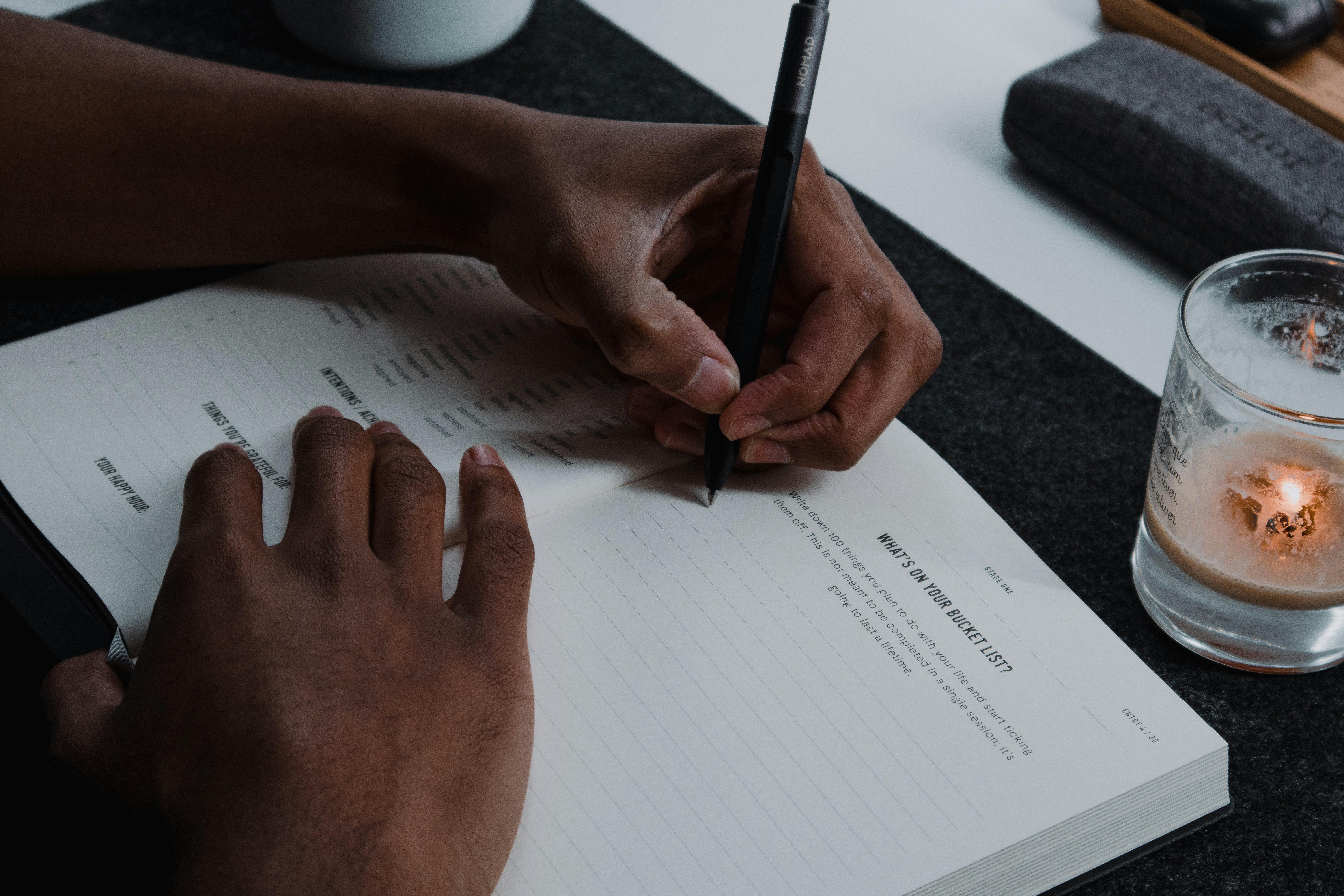
🔹 Journaling. I know, I know—everyone talks about journaling. But here’s why it actually works: getting your thoughts out of your head and onto paper helps your brain process what’s happening. Recent studies show that even just a few minutes of writing about your experiences can lower stress hormones and help you feel more resilient.
🔹 Mindfulness and Meditation. Before you roll your eyes, hear me out. Mindfulness isn’t about emptying your mind or achieving some zen state. It’s about noticing what’s happening right now without getting swept away by it. When you practice staying present, you interrupt that cycle of “what if” thoughts that tend to fuel anxiety.
🔹 Cognitive Behavioral Therapy (CBT) Tools. CBT helps you notice the connection between your thoughts, feelings, and behaviors. It’s like becoming a detective of your own mind—once you start seeing the patterns, you can begin to change them. This approach has decades of research backing it up for anxiety treatment.
Our Favorite Anxiety-Calming Tools (No Anxiety Pen Set Required)
Here are some therapist-approved tools that many people find helpful. Full transparency: if you purchase through these Amazon links, we may receive a small commission—but that doesn’t influence these recommendations. I only suggest things that align with sound mental health practices.
| Product | Description | Pros | Things to Consider |
| Calming Aromatherapy Roll-On
| Essential oil blend you apply to your wrists or temples—no inhalation needed | Safe application, portable, pleasant scents | Effects may be temporary |
| Weighted Blanket
| Provides gentle pressure that can calm your nervous system | Immediate soothing effect, good for work or home | Not as portable as other options |
| Guided Anxiety Journal | Prompts based on CBT principles to help you process thoughts and feelings | Builds long-term skills, encourages self-awareness | Requires consistent practice |
| Breathing Necklace or Fidget Ring | Jewelry designed to slow your breathing or give your hands something to do | Discreet, always with you, no side effects | May not be enough for severe anxiety |
What I appreciate about these tools is that they offer comfort in the moment and support long-term growth. Many people find that combining sensory strategies with reflective or therapeutic practices creates a more sustainable, well-rounded approach to managing anxiety. For a full list of other anxiety products check out our blog on “Gifts for People with Anxiety.“
Questions to Ask Before Trying Any Anxiety Product
Before you invest in any anxiety-relief product, here are some questions worth asking yourself:
Am I looking for a band-aid or genuine healing? Quick fixes can be tempting, but lasting relief usually comes from addressing what’s underneath the anxiety.
How is this fitting into my overall self-care? The best tools complement other healthy habits rather than replacing them entirely. Taking deliberate steps to address anxiety, such as practicing mindfulness or seeking support, is important rather than relying solely on products.
Am I avoiding something important? Sometimes we reach for distractions when what we really need is to process difficult emotions or make changes in our lives.
Does this feel sustainable? If you can only feel calm when you have a specific product with you, that might be worth exploring further.
Do I have a tendency to reach for quick fixes or certain products when I feel anxious? Recognizing this tendency can help you make more intentional choices about how you manage anxiety.
When to Seek Professional Help
There comes a point when self-help tools aren’t enough, and recognizing that point is actually a sign of wisdom, not weakness. Consider reaching out for professional support if your anxiety:
- Is significantly impacting your sleep, work, relationships, or physical health
- Feels like it’s getting worse despite your best efforts
- Is accompanied by panic attacks, avoidance behaviors, or physical symptoms
- Is leading you to rely heavily on substances or behaviors to cope
You deserve more than just symptom management—you deserve to understand your anxiety and develop skills that help you feel genuinely more at peace. Therapy, whether in-person or online, can offer evidence-based tools and a supportive space to explore what’s really going on.
How Therapy Helps with Anxiety
Many people who come to see me have tried anxiety pens, apps, you name it. While these provided moments of relief, the anxiety keeps coming back.
That’s because we need to look at underlying causes—what triggers your worry, what messages you learned about safety, how your anxiety is trying to protect you.
In therapy, we don’t just manage mood or teach relaxation techniques. We explore what’s actually stirring up the anxiety and help you build lasting skills. Think of it like this: you could keep patching flat tires, or figure out what’s causing the punctures.
It’s an investment in your overall wellbeing, not just symptom management. And honestly? Once you address what’s underneath, you don’t feel as desperate for quick fixes.
You Deserve Real Relief, Not Just Quick Fixes
If you’re here because you were curious about anxiety pens, that makes total sense. When anxiety feels overwhelming, it’s natural to reach for whatever promises quick relief. And sometimes, those tools do bring a moment of calm—which can be valuable. But the truth is, they often work more like a pause button than a long-term solution.
There’s nothing wrong with wanting fast comfort. But real, lasting relief usually comes from something deeper—not just calming your symptoms, but understanding them. The most effective tools for managing anxiety aren’t flashy or viral. They’re the ones that help you build a relationship with your nervous system, trust your body again, and respond with compassion instead of fear.
Therapists Available in Colorado and Illinois
Therapy offers a space to slow down, get curious, and find what works for you—not just what’s trending. If you’re ready to explore what this exploration could look like, our team is here. Fill out an intake form or give us a call.
FAQs
Is an anxiety pen the same as a vape?
While anxiety pens are often marketed differently, if you’re inhaling vapor from any device, you’re essentially vaping. Even “nicotine-free” doesn’t mean risk-free when it comes to putting substances in your lungs.
Are anxiety pens safe for teens?
Medical and mental health professionals generally advise against these products for young people. Teen lungs are still developing, and inhaling essential oils or other substances through a pen can lead to irritation or, in some cases, more serious respiratory issu. Even “natural” ingredients can be harmful when heated and inhaled directly.
Do anxiety pens contain nicotine?
Most anxiety pens are marketed as nicotine-free, but always check labels carefully. Remember, even without nicotine, inhaling concentrated essential oils or other substances carries its own risks.
What’s the best way to calm anxiety fast?
Some of the most effective immediate techniques are also the safest: slow, deep breathing; gentle movement; grounding exercises that engage your senses; and mindfulness practices. These are portable, free, and don’t pose respiratory risks.
Are there natural alternatives to anxiety pens?
Absolutely. Consider aromatherapy roll-ons (applied to skin, not inhaled), weighted sensory items, fidget tools, breathing exercises, or mindfulness apps. These can provide grounding and comfort without the potential risks of inhaling substances.
Disclaimer: This article is for informational purposes only and does not constitute or replace professional mental health advice. Always consult with a licensed provider for your specific needs.
Alexandra Joy Hoerr


Related Articles
-
Finding Calm: Body–Mind Practices for Greater Connection With God and Others
When Your Body Won’t Slow Down Have you ever tried to pray but felt too distracted...
Read More -
When Seasons Change
As seasons change, many people notice a shift in how they feel before they can explain...
Read More -
ADHD Tools
One of the most common pieces of advice I hear people give is, “Just make a...
Read More