What sparked your interest in becoming a therapist?
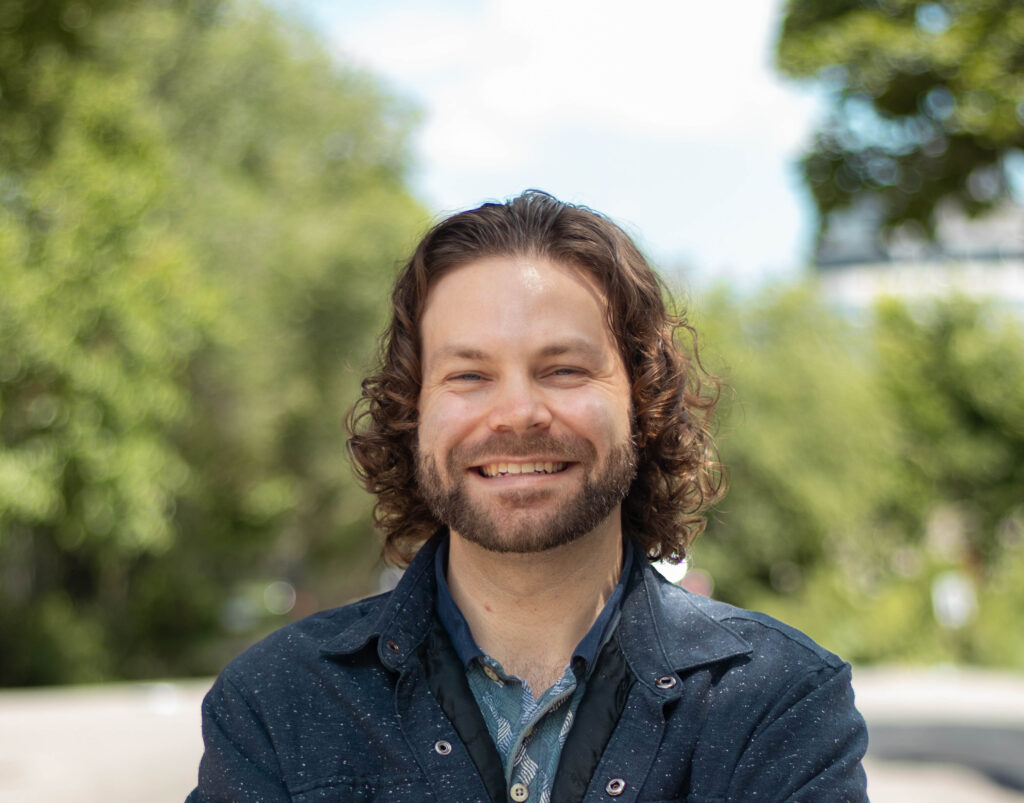
Hi, I’m Robert. I’m a therapist here at Optimum Joy. I became interested in therapy in sixth grade, believe it or not. I didn’t really know what it was—I was in psychology—but I would say really my passion for mental health came through my own journey, through therapy, through going through many different transitions in my life. As a missionary kid, I had the opportunity to travel between different cultures, and it was a bit chaotic at points. But I think through this journey, really, I found my passion for helping others through their own transitions.
What is most rewarding about your work?
One of my favorite things about being a therapist is being able to see my clients flourish, being able to see them feel more confident in their sense of self-worth. What brings me joy in therapy is seeing my clients choose to invest in themselves. Sometimes my clients come to therapy because their parents told them to, or they feel kind of like, “Why am I here? I don’t know what I’m doing here.” And really, I think that the point when I really see clients grow is when they decide, “Hey, this is what I want for me.” And those moments are magic. It’s really amazing to witness as a therapist and just to be a part of that.
How do you approach the collaboration with your clients?
One of the things that I like to remind my clients is that I never force you to do anything. Really, I want you to have a voice in therapy. When we set goals, we may set specific coping skills to try and practice. But I want you to know that because the space is yours, if we come to that point, you decide, “Hey, you know what, Robert? Today, I really just need to get something off my chest. There’s something that’s really been on my mind.” And I’ll tell you, “Yeah, that’s fine. That’s perfectly fine.” Really, the space is for you. And in those moments where you take charge and you decide, “Hey, this is what I want out of therapy,” those are the moments where I really see growth happen. And so really, I’m here to support you and guide you and help empower you to take charge of your growth.
What do you enjoy doing in your time outside the office?
Outside the office, I like to do anything that has to do with plants. I’m an avid gardener. I actually have between 100 and 200 plants. So yeah, anything to do with plants. I enjoy traveling and visiting different parks. I recommend checking out Norlily Island. That’s a cool place. I also enjoy checking out different cultural hubs around Chicago. If you’ve ever been to Devon Street, you know what I’m talking about—lots of cool restaurants there from different countries.
Which populations and transitions do you specialize in?
I enjoy working with clients from many different backgrounds, whether you’re a child, you’re a teen, adult, couple, or family. I enjoy working with a diverse background of clients. Specifically, I have clients who may seek me out for couples therapy. You may be wondering, “Is this abuse?” Or you may need help navigating a conflict in your relationship where you’re at a pivotal point.
I also enjoy working with clients experiencing cross-cultural transition. And what that means is maybe you’re experiencing culture shock, where you’re trying to adapt in a culture where you feel out of place or you feel misunderstood. Clients will also seek me out in states of transition, whether you recently had a work injury or a sports injury—you’re navigating how to adapt to that and a disruption to your life. Or maybe you’re getting ready for college or getting ready to have a new baby. These periods of transition are really important to get the care that you need.
What therapeutic methods do you utilize?
In therapy, you can expect that it will work from a person-centered approach. And what that means really is that I see you as more than your problem. Your worth comes from more than what you’re struggling in. And that’s really important for you to know. You as a person, you have a lot of qualities, and it’s important that we work from a place of strength as opposed to from a place of loss.
A lot of people think that when they come to therapy, they lie on a couch, they just talk about everything in their life. But a lot of times also, you may come to therapy and just, “I don’t know what to talk about” or “I don’t want to talk at all. What am I doing here?” And I think art therapy can be a great means to help you to express yourself in a way where it’s not about performance. It’s really a therapeutic process where you can just let your feelings out through art. And I promise you, it’s not as intimidating as it sounds. And whether it’s art or other passions you have like music or poetry, any sort of creative means, that’s something that you can bring into therapy and we can do together.
Now another type of therapy that I do is called DBT, which stands for dialectical behavioral therapy. And that’s a fancy word, but really it’s all about how to sit with your emotions, how to sit with emotions that are challenging and maybe conflicting.
I like to be pretty hands-on and we may actually practice some stuff together. I want you to know that whatever I suggest or encourage you to try that again, it’s a choice, but also I’ll do it with you. So you’re not going to be clueless of how to navigate that.
What is the ultimate goal of the therapy process?
Really what I want for you is to feel like you have the resources to take care of yourself. I don’t want you to feel like “I’m going to be dependent on my therapist my whole life till the day I die.” That’s not the goal. I would be happy when the day comes when you don’t need therapy and you feel like, “Hey, I’ve gotten to a point where I can take care of myself.” And really that’s the goal of therapy. So if you’re afraid to start therapy or you’re not sure what that looks like, it does take courage and it does take effort, but it’s so worth it.