What first interested you in the counseling field?
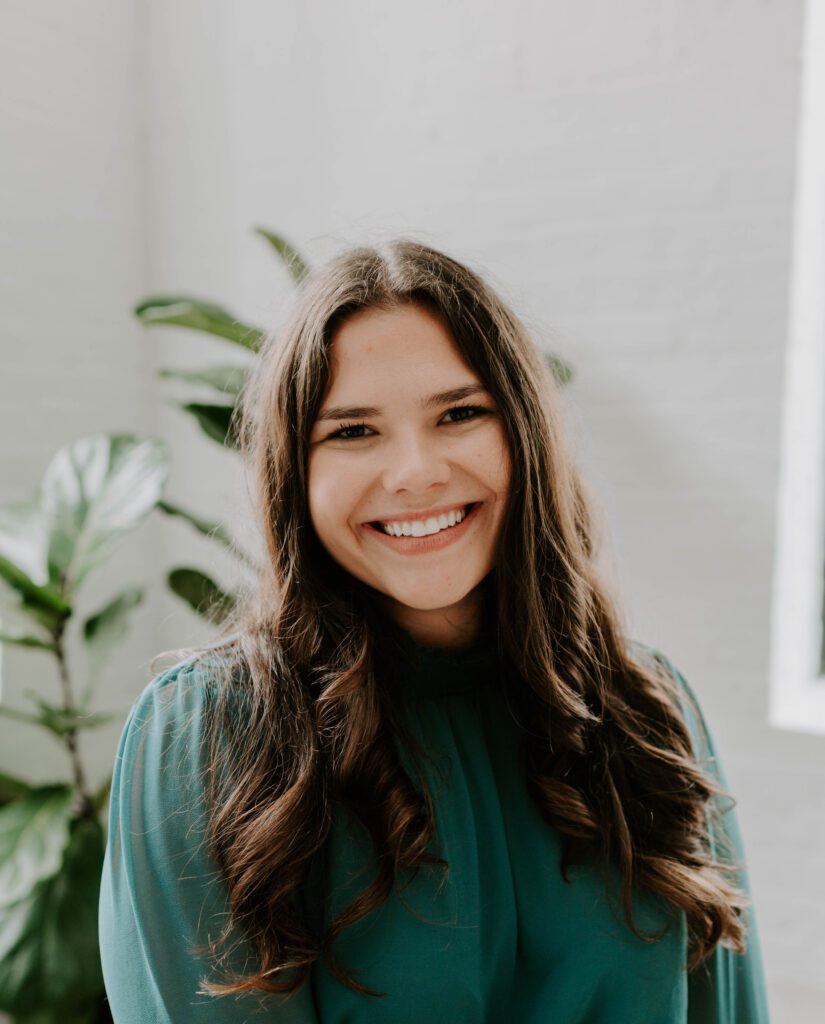
Hi, my name is Mariah and I’m a therapist at Optimum Joy. I first became interested in counseling at a very academic level. I had the opportunity to take a class about psychology when I was 16 years old and I loved it so much that I read the textbook cover to cover. And ever since that moment, I knew that psychology was something super interesting to me.
But then when I got to college, I found myself very proximate to grief and I was sitting in really heavy existential spaces and questions with people that I loved dearly. And it was in that time, in that sitting, in that processing, that I actually found that this was a skill set for me and a space that I really cherished. And I found myself on the pathway toward being a therapist and doing that with my life.
Then I had an experience actually more personally with pretty severe anxiety. Didn’t know what to do. I found myself in these patterns with these fears and thoughts that I didn’t know how to control or what to do with them. And it was unlike anything I’d ever experienced. And I found myself in therapy. And it was in that time where I got to experience the real transformative power that is counseling. And that really solidified the deal for me. I was hooked from that moment on and I knew that this was where I wanted to spend the rest of my career, was in the therapy room doing this, experiencing these questions and those feelings with all kinds of people.
What do you find most rewarding about being a therapist?
My favorite part about being a therapist is firstly the relationship that I get to build with my clients. I think that therapy is so much about finding the right fit between a client and a therapist. And good work can happen when you trust your therapist. And it’s been a joy to kind of sit in that space, build relationships with my clients, care for them, learn about them. And that is the big joy—is getting to be in spaces where clients are able to “know thyself” and to ask those questions and to get to experience that in the context of the counseling relationship.
One thing I love about therapy is the breakthrough moments. I have found that it’s little steps over and over and, you know, it can feel really daunting. It can feel like therapy is in a standstill. It can feel like there’s no progress being made. And then all of a sudden there’s that moment where it clicks, where clients really understand and get it. And it completely transforms the trajectory of their life or the way that they’ve been thinking about something. And that is the moment that makes counseling all worth it. It’s the healing. It’s the breakthrough. It’s the insight that a client gains and being able to be in that space with them and to care for them in that is the greatest privilege.
Which therapeutic approaches and populations do you focus on?
I love working with all kinds of people and my caseload is actually very diverse right now. What I have really enjoyed working with currently has been a lot of trauma informed care. I find myself using a lot of existential therapy and cognitive behavioral therapy, which in tandem tends to be a space where we’re challenging thoughts. We’re understanding the way that our thinking and our behaviors and our feelings are interacting with one another.
And then we also get to ask those really big questions about life’s meaning and “what is my purpose?” and those big questions. And I love the intersection between the two—of doing the ground kind of more detail-oriented work alongside the big purpose meaning questions.
And so that said, I love working with clients who are experiencing a life transition and they’re going through something really hard or they’ve uncovered something about their past that they are realizing is causing them a lot of stress. That could be childhood trauma, that could be understanding a family dynamic that they didn’t realize was impacting them the way that it is now. And being able to process that with clients is a real joy because I use those modalities.
I also find myself working with a lot of clients that experience grief and loss. And that can be the loss of a loved one. It could also be the loss of a dream or of a job or of a friendship or a romantic interest. Those questions about meaning and purpose as well as identifying thoughts, behaviors and feelings work really well. I also love working with clients who are seeking out a faith integration, and whether that is processing a pain point or if that is coming from a place of exploration—a client who’s wanting to ask some hard questions about what they think and what they believe and how their faith plays into that. I love working with clients in that space.
What brings you joy in your personal life?
Some of the things that bring me joy are music. I grew up playing music, around music, and I absolutely adore it. I love live music and getting to be in the room and experiencing just the beauty of making music. I think that it’s just one of the greatest gifts.
Friendship also brings me quite a bit of joy. I love connecting with people from all different kinds of walks and places. And I love spending time with people that I really care about, whether that’s reading together, cooking together, exploring the Chicago restaurants. I love seeing that is where I thrive and where I love to spend my time.
What would you say to someone considering starting therapy?
If you are thinking about counseling, I would want to encourage you that maybe the question itself of “should I go to counseling” is maybe an indication that you should take that next step. Taking that next step can be daunting and sometimes scary.