September 25, 2025
15 Children’s Books for Anxiety | Therapist-Recommended Picks
15 Children’s Books That Actually Help With Anxiety
If you’re reading this, chances are you’ve watched your child struggle with worry — maybe they’re clinging to your leg at school drop-off, lying awake with a mind full of “what ifs,” or asking anxious questions that seem to multiply by the hour. We see this in our practice every single day, and here’s what we want you to know: you’re not imagining it, and you’re definitely not alone.
Recent data suggests that about 11% of children ages 3–17 have a diagnosed anxiety disorder — but honestly? We believe that number barely scratches the surface. Between the pandemic, social media, and the everyday challenges of growing up today, so many kids are carrying more worry than their little nervous systems can handle.
That’s why we love using books as therapeutic tools. Not just any books — carefully chosen stories that meet young readers exactly where they are, help them name their big feelings, and gently guide them toward feeling braver, calmer, and less alone.
Disclosure: As Amazon Associates, we earn from qualifying purchases. We only recommend books we genuinely use and believe in.

Why Stories and Picture Books Actually Help Children (The Science Behind the Magic)
Ever notice how your child can remember every detail of their favorite book but forgets to brush their teeth? That’s because stories engage different parts of the brain than direct instruction does. When we tell a child “don’t worry,” their anxious brain often hears “WORRY MORE!” But when Ruby finds her worry in a story, something different happens. Through characters, narratives, and a relatable story, kids can:
Experience emotions at a safe distance. It’s easier to explore scary feelings when they belong to someone else first. Many children in therapy settings will talk about a character’s anxiety long before they can name their own.
Build their emotional vocabulary without pressure. Instead of us asking “How do you feel?” (which often gets us a blank stare), kids naturally start using words like “worried,” “nervous,” or “scared” after meeting characters who feel the same way.
Practice coping skills through play and imagination. When a book character takes deep breaths or talks to a trusted grown-up, kids file that information away as something they might try too.
A 2024 study found that bibliotherapy–using books therapeutically–led to significant reductions in anxiety symptoms, with 88% of children showing only mild anxiety after intervention. But beyond the research, we’ve heard countless stories from parents and caregivers about that powerful moment when a child realizes they’re not the only one who feels this way. picture books
15 Children’s Books for Anxiety: Our Recommendations for Young Readers
These books have been selected for their therapeutic potential and ability to help children understand and manage anxiety through engaging stories and practical strategies.
1. When My Worries Get Too Big by Kari Dunn Buron
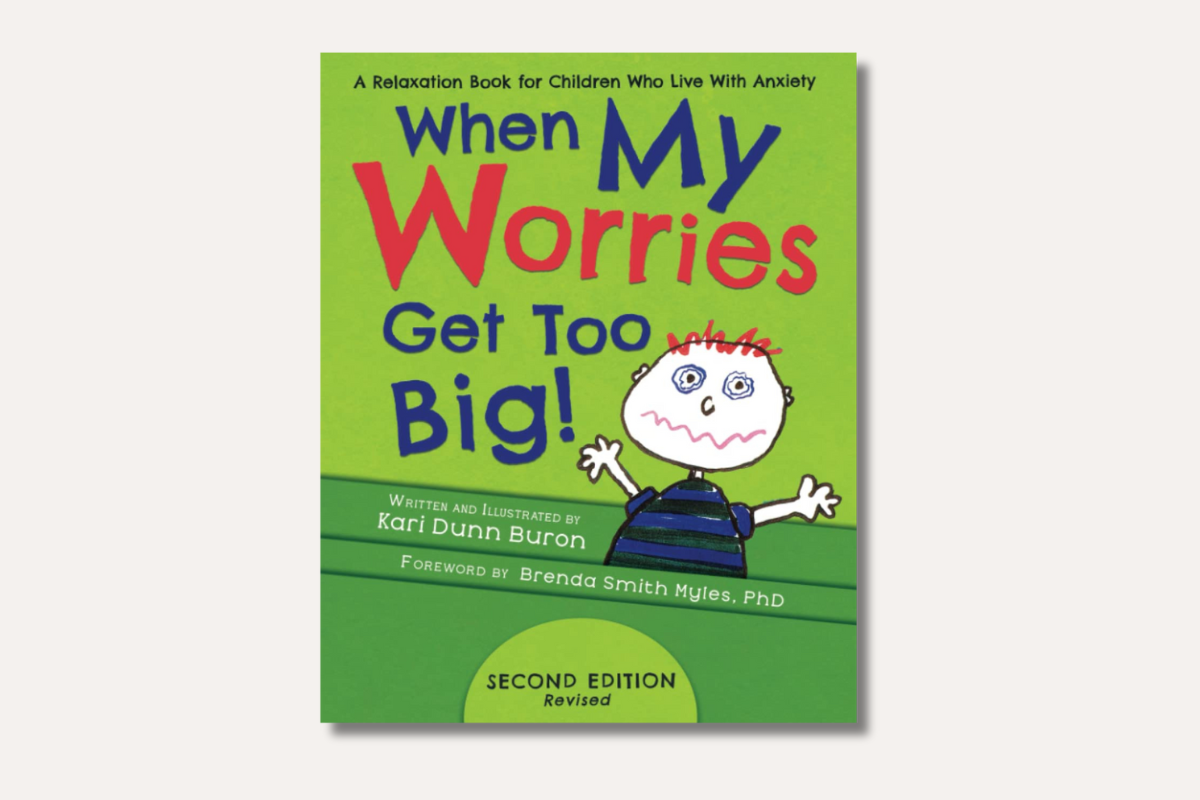
Ages 5–10 | Interactive workbook with rating scales and coping strategies
This is hands-down one of the most commonly recommended books in children’s therapy, especially for kids who like to do rather than just listen. The 5-point worry scale gives children concrete language for their feelings—instead of “I feel bad,” they can say “I’m at a 4 today.” Many children begin using this scale spontaneously with parents and teachers.
Why it works: Kids get to draw, write, and interact with their feelings instead of just talking about them. Plus, the coping strategies are simple enough for real-life use.
Best for: Children who like hands-on activities and benefit from visual scales and concrete tools.
2. Worry Says What? by Allison Edwards & Ayesha L. Rubio
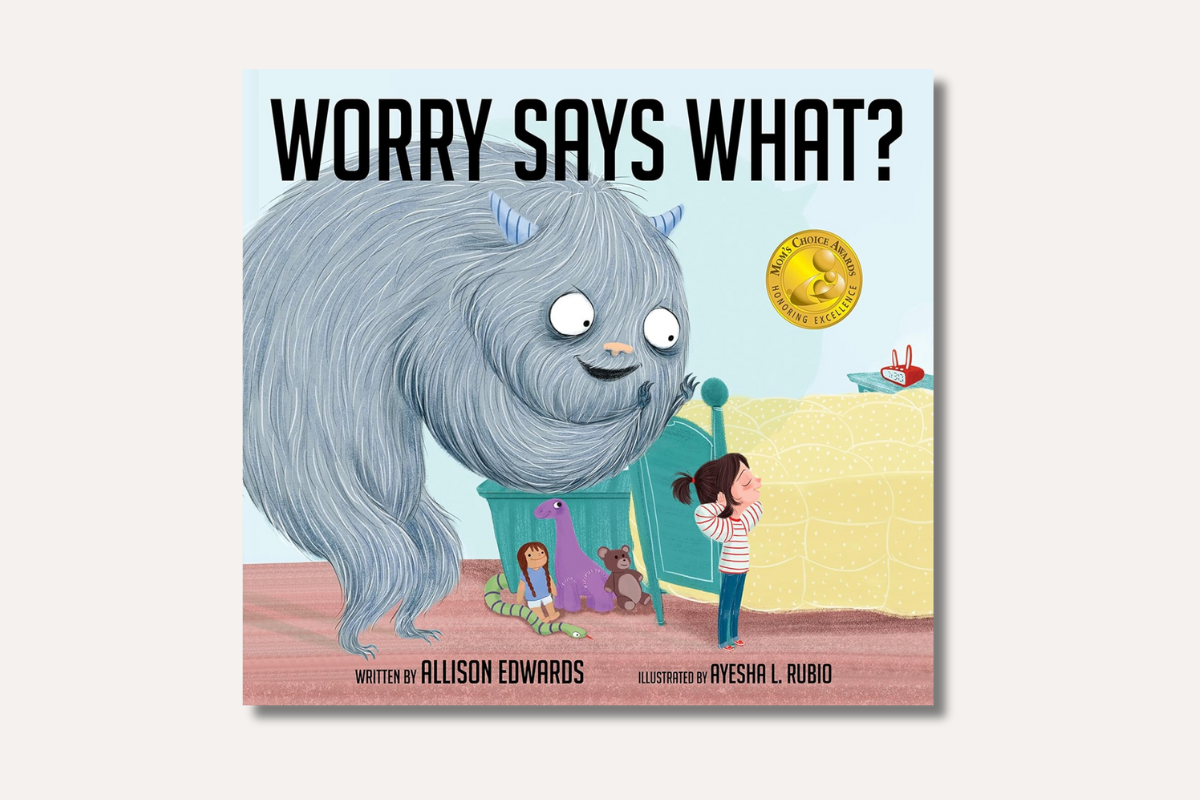
Ages 4–8 | Personifies anxiety as a manageable “monster”
Children often connect with this book’s approach of making anxiety into a character—a fuzzy, sometimes annoying companion—which helps them separate themselves from their worried thoughts.
Why it works: It teaches self-talk in a way that feels empowering rather than fake. Kids love the idea of talking back to their worries.
Best for: Children who respond well to imaginative play and aren’t too scared by the “monster” concept.
3. Jack’s Worry by Sam Zuppardi

Ages 4–8 | Shows how worries grow when kept secret and shrink when shared
This book effectively uses visual storytelling to show how anxiety grows when kept secret and shrinks when shared. Jack’s worry literally gets bigger and more overwhelming until he finally tells his mom about it, making it an excellent conversation starter about the importance of talking to trusted adults.
Why it works: The illustrations beautifully show what anxiety feels like from the inside, helping parents understand their child’s experience and creating natural opportunities for meaningful conversations.
Best for: Kids who tend to keep worries to themselves or families working on communication about feelings.
4. Ruby Finds a Worry by Tom Percival
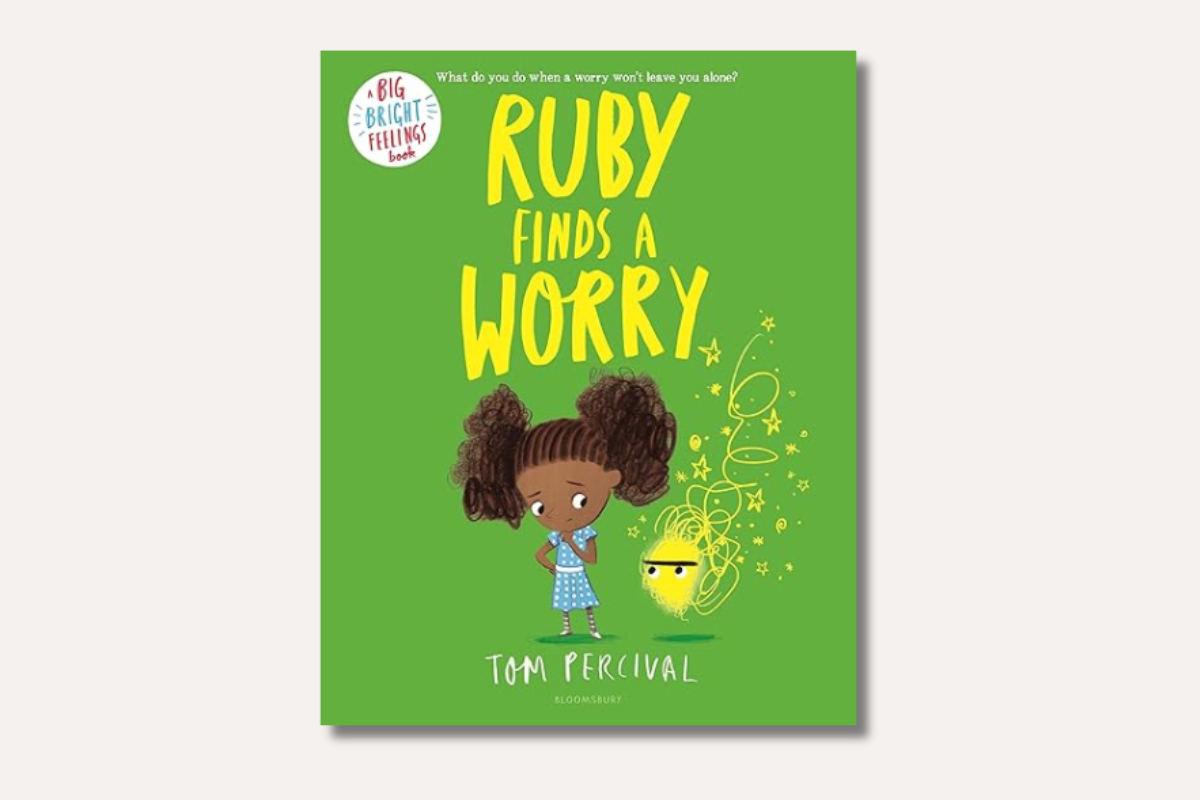
Ages 4–7 | Bright, engaging story about sharing feelings
Ruby’s worry starts small but grows until it affects everything she does—a feeling many children will recognize. This book offers something truly comforting: it shows that everyone has worries, and talking about them really does help them become more manageable.
Why it works: The message is clear without being preachy, and the illustrations are captivating enough to hold shorter attention spans while gently encouraging emotional openness.
Best for: Younger children or kids who are just starting to identify their worried feelings.
5. The Whatifs by Emily Kilgore & Zoe Persico
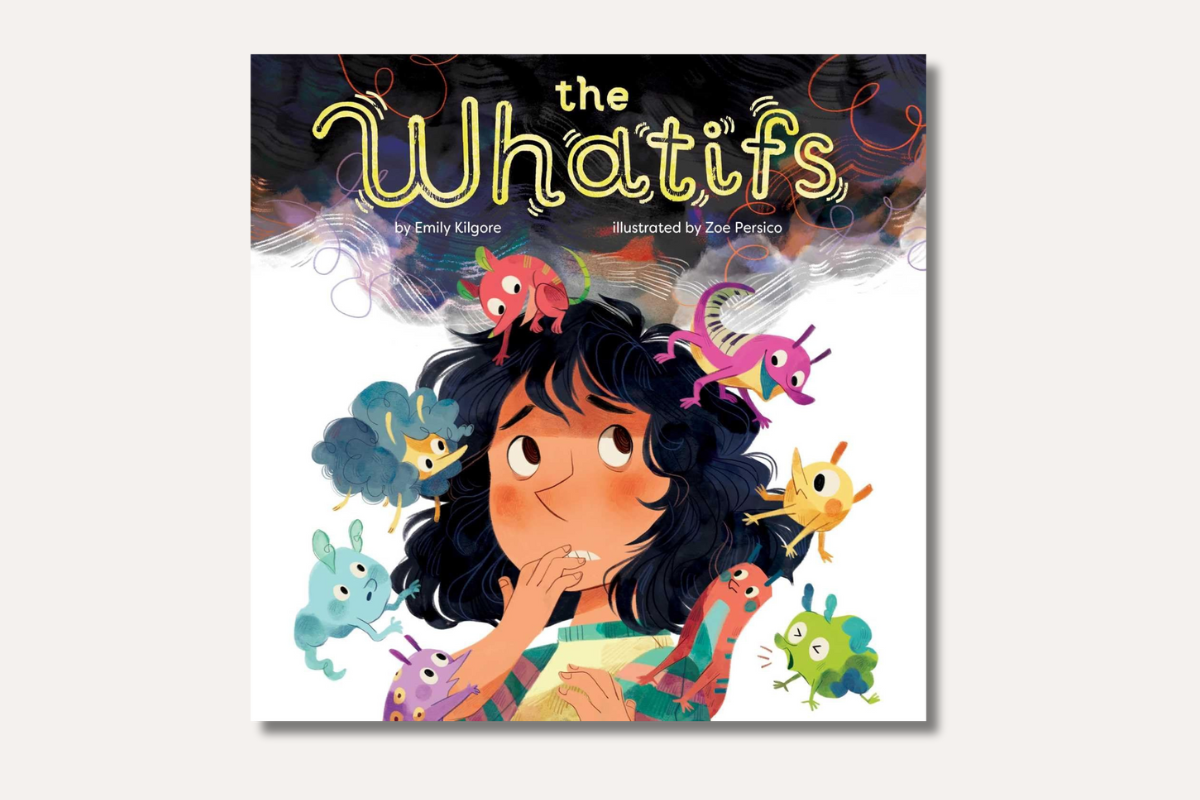
Ages 4–8 | Introduces thought-challenging in kid-friendly ways
Cora’s “Whatifs” buzz around her head like persistent bees until she learns to redirect them. This thoughtful book introduces basic cognitive behavioral concepts in child-friendly language—helping kids learn to notice and gently redirect worried thoughts.
Why it works: It gives children a playful yet practical way to recognize anxious thinking patterns and explore different responses.
Best for: Children whose anxiety shows up as lots of “what if” questions or catastrophic thinking.
6. Hattie Harmony: Worry Detective by Elizabeth Olsen & Robbie Arnett
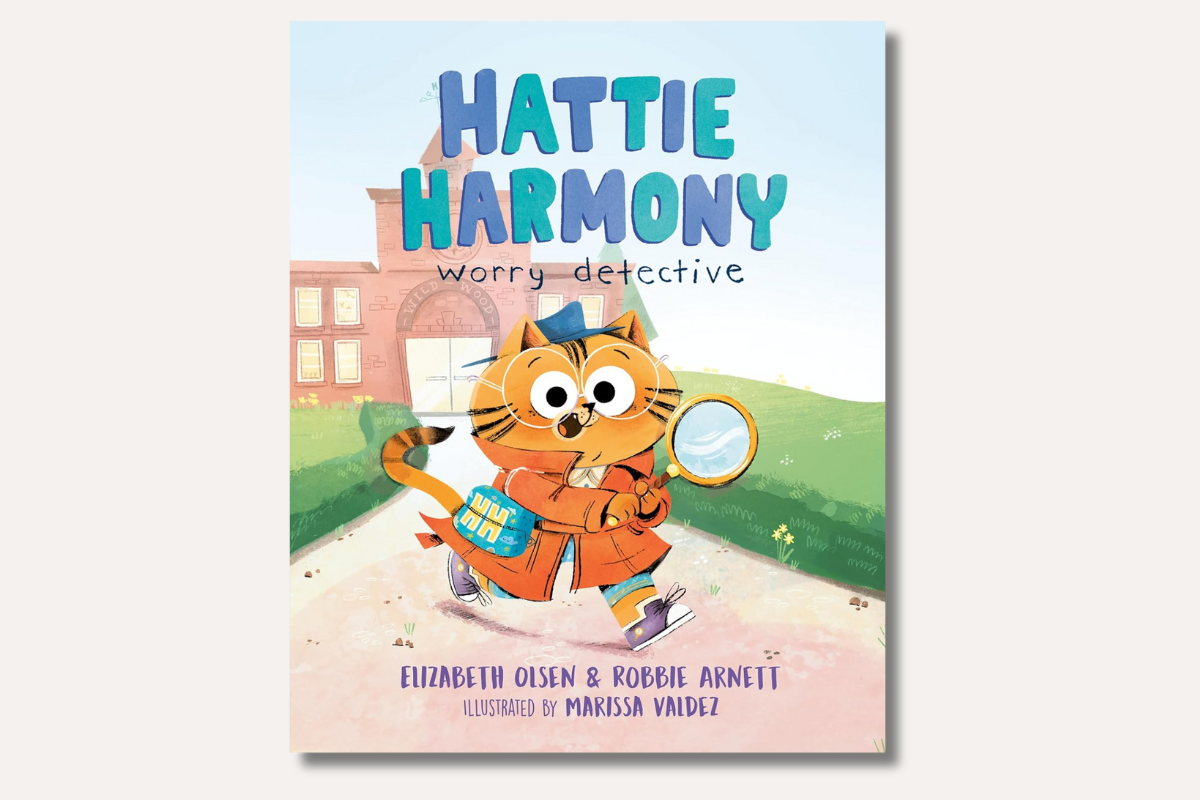
Ages 5–8 | Combines mindfulness, movement, and diverse characters
Hattie uses detective skills to help herself and her friends manage anxiety. This book stands out for including practical tools like deep breathing and positive affirmations, while featuring characters from different backgrounds that help all children see themselves in the story.
Why it works: Shows children that they can help themselves and others, building both coping skills and confidence in their own abilities.
Best for: Children who like problem-solving approaches and families who value diverse representation.
7. Brave Every Day by Trudy Ludwig & Patrice Barton
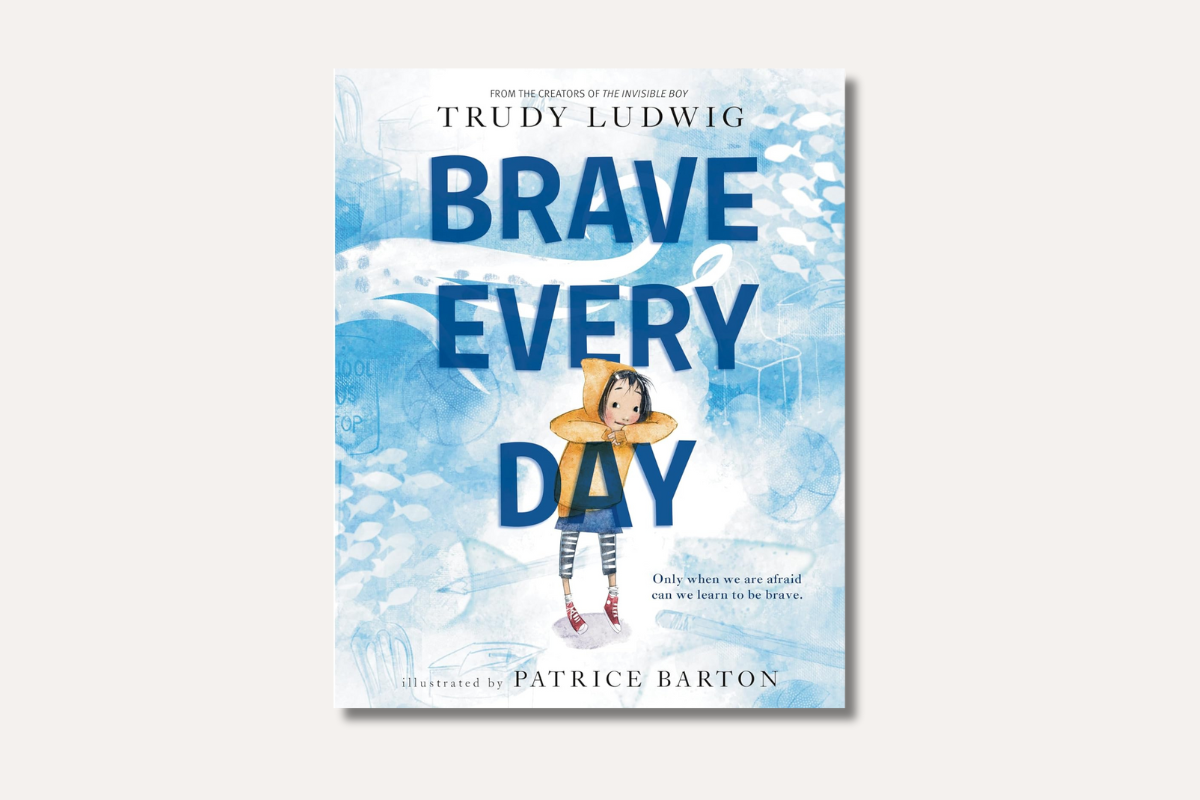
Ages 4–8 | Focuses on social anxiety and everyday courage
Camila discovers that small acts of kindness help her feel braver. This book is particularly valuable for socially anxious children—it gently shows that courage isn’t about not feeling scared, it’s about doing kind things even when you do feel scared.
Why it works: Reframes bravery in achievable terms and creates a beautiful connection between courage and helping others.
Best for: Kids with social anxiety or those who struggle with shyness in group settings.
8. Me and My Fear by Francesca Sanna

Ages 4–8 | Perfect for big life changes and transitions
This beautiful book speaks directly to children experiencing major changes—moving, starting new schools, family transitions. The girl’s “Fear” grows bigger in new situations until she realizes everyone has fears, and sharing them helps them become less overwhelming.
Why it works: Normalizes anxiety around change and offers hope that fears are both manageable and temporary.
Best for: Children facing transitions, moves, or any big life changes.
9. Wilma Jean, the Worry Machine by Julia Cook
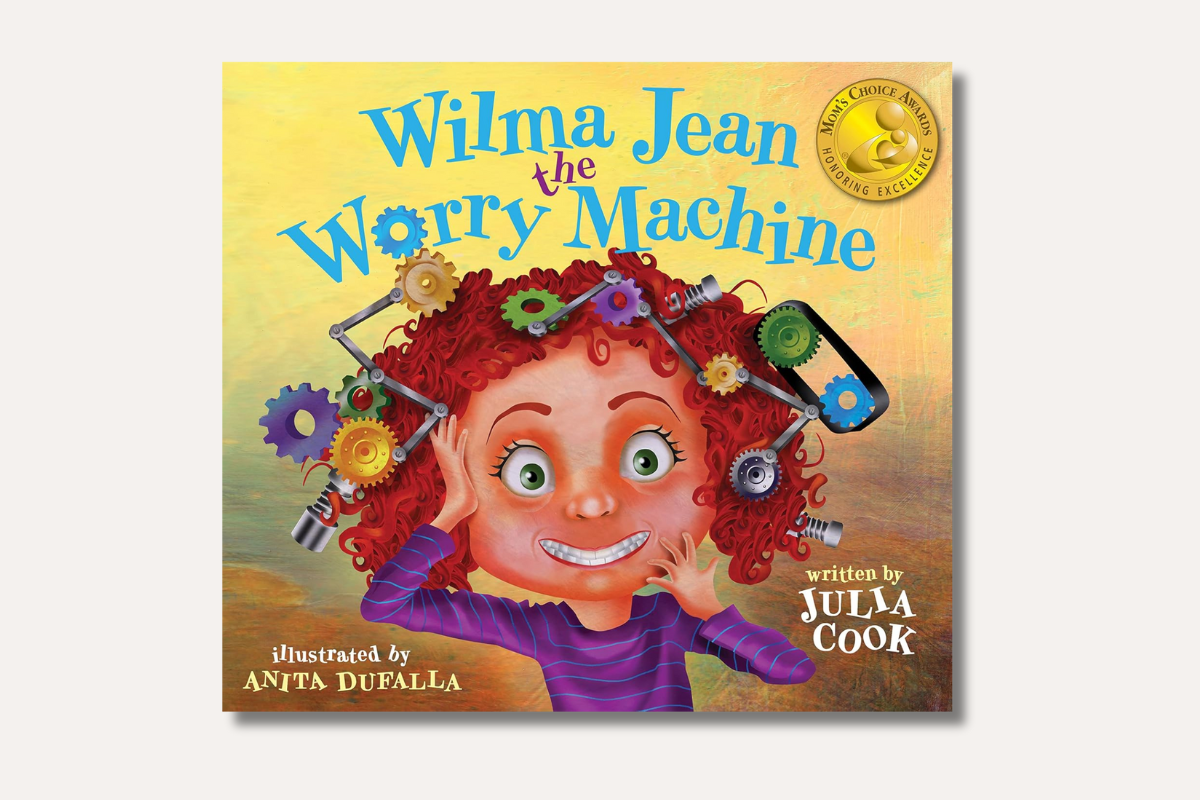
Ages 5–8 | Teaches the difference between solvable and unsolvable worries
Wilma Jean’s worries feel overwhelming until she learns to sort them into things she can and can’t control. This book introduces a practical life skill that helps children (and adults!) manage anxiety more effectively.
Why it works: Introduces a valuable coping strategy that even many adults struggle with—focusing energy on what we can actually influence.
Best for: Children who worry about everything or families working on problem-solving skills.
10. The Bear Who Lost His Sleep by Jessica Lamb-Shapiro
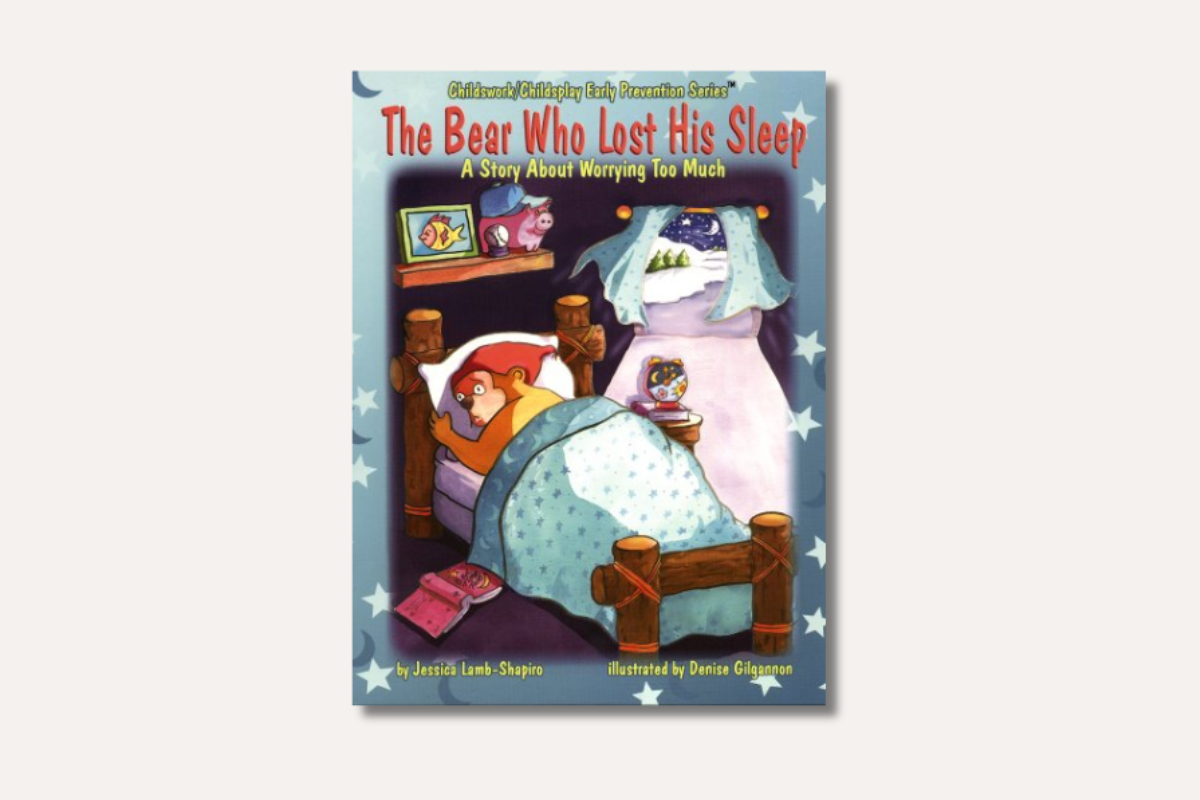
Ages 3–7 | Gentle approach to bedtime anxiety
Bedtime worries are incredibly common, and this soothing story helps children understand that sleep routines and calm environments can ease nighttime anxiety.
Why it works: The tone is gentle and sleepy rather than activating, making it perfect for bedtime reading without overstimulating worried minds.
Best for: Children with bedtime anxiety or sleep difficulties.
11. What to Do When You’re Scared and Worried: A Guide for Kids by James J. Crist
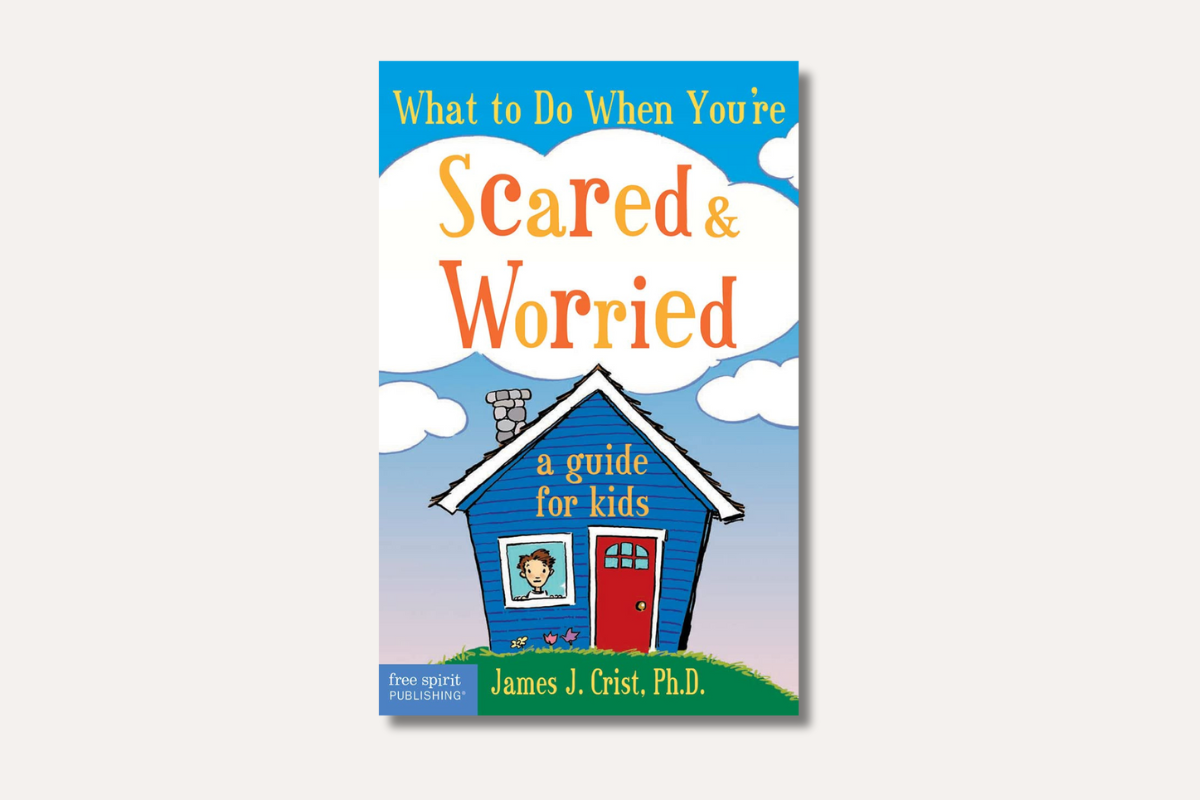
Ages 7–12 | Comprehensive workbook with evidence-based strategies
This is more workbook than storybook, but it’s packed with age-appropriate explanations and practical exercises. It’s particularly valuable for slightly older children who are ready for more direct skill-building and want to understand how their minds work.
Why it works: Provides concrete tools and explains the “why” behind anxiety in kid-friendly terms that respect their growing intelligence.
Best for: Older elementary kids who like to understand how things work and want practical strategies.
12. Angry Octopus by Lori Lite
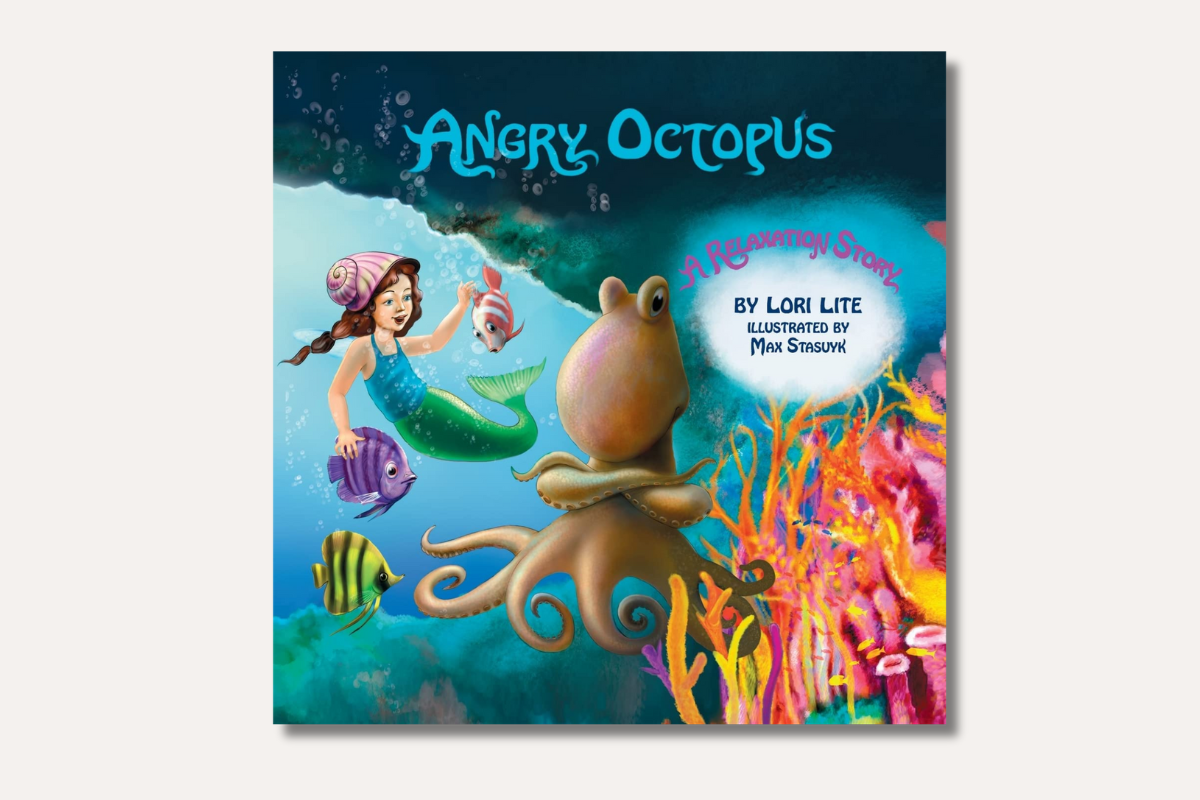
Ages 4–8 | Teaches progressive muscle relaxation through story
This book walks children through tensing and relaxing different muscle groups while following an octopus’s journey to calm. It’s especially helpful for children who carry tension in their bodies and need movement-based coping strategies.
Why it works: Makes body-based relaxation techniques accessible and fun for children who might otherwise find meditation too abstract.
Best for: Children who experience physical symptoms of anxiety or benefit from movement-based coping skills.
13. Anxious Little Pishy by Brittany Joseph

Ages 3–7 | Gentle introduction to talking about feelings
Little Pishy learns that talking to trusted adults about worries really does help. The story is simple and reassuring without overwhelming younger children with too much information or complexity.
Why it works: Models the exact behavior many parents hope to encourage—seeking support from caring adults when feeling worried.
Best for: Younger children or kids who are hesitant to share their feelings.
14. Avocado Feels a Pit Worried by Brenda S. Miles & Monika Filipina
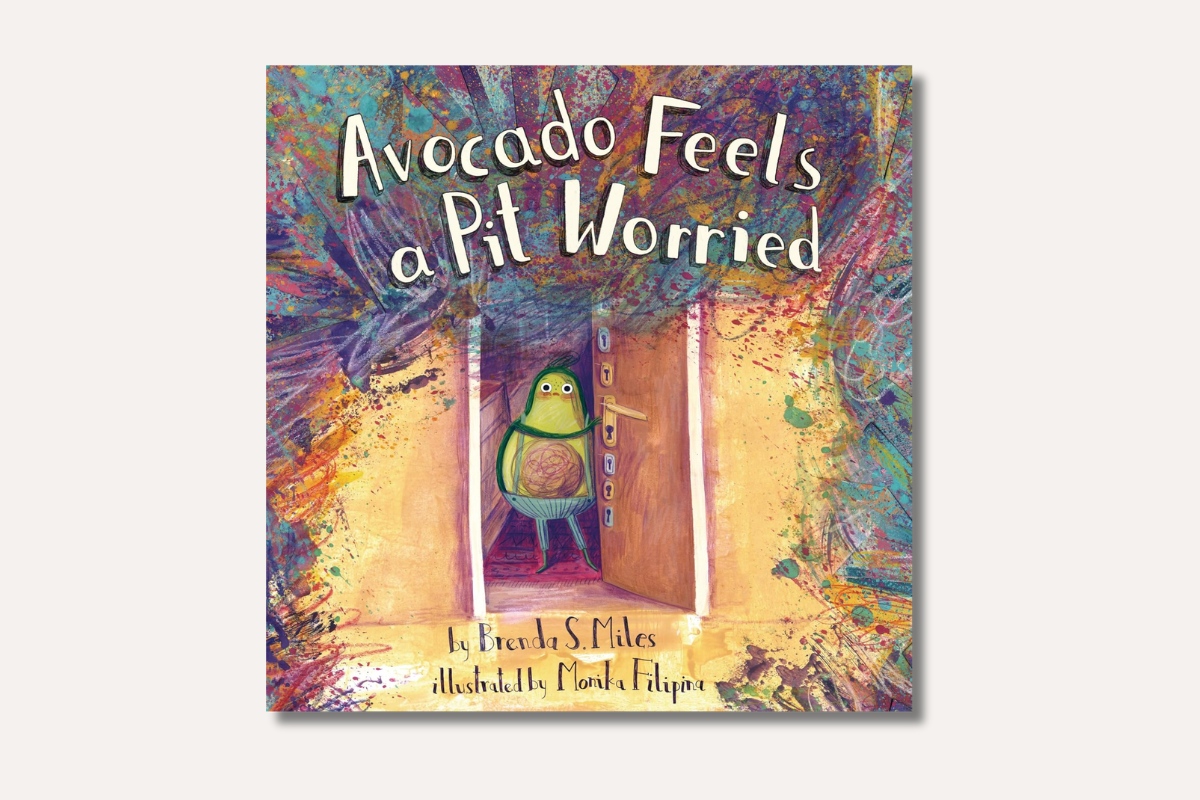
Ages 4–8 | Uses humor to address trying new things
This adorable book uses food characters and gentle humor to help children think about approaching new or scary situations. It’s particularly wonderful for families dealing with food-related anxieties or children who respond well to lighthearted approaches.
Why it works: Humor can be incredibly disarming for anxious children—it makes scary topics feel more manageable and less threatening.
Best for: Children who respond well to silly stories or families dealing with food-related worries.
15. The Anxiety Relief Workbook for Kids by Crystal Clarke

Ages 6–12 | Interactive exercises and coping skill building
Another workbook-style resource packed with hands-on activities. This comprehensive guide covers a wide range of anxiety triggers and coping strategies, making it valuable for families who want multiple tools to explore.
Why it works: Gives children multiple tools to try and helps them identify what works best for their unique needs and personality.
Best for: Kids who like variety in their coping strategies and parents who want lots of practical tools.
Quick Reference Guide
Here’s a handy comparison to help you choose the right book for your child’s specific needs:
| Book Title | Ages | Best For | Key Strength |
| When My Worries Get Too Big | 5-10 | Visual learners, hands-on kids | Interactive worry scale |
| Worry Says What? | 4-8 | Kids who like imaginative play | Teaches positive self-talk |
| Jack’s Worry | 4-8 | Children who keep worries secret | Shows value of sharing feelings |
| Ruby Finds a Worry | 4-7 | Beginning emotional awareness | Normalizes having worries |
| The Whatifs | 4-8 | “What if” thinkers | Introduces thought-challenging |
| Hattie Harmony: Worry Detective | 5-8 | Problem-solvers | Practical mindfulness tools |
| Brave Every Day | 4-8 | Social anxiety | Reframes courage |
| Me and My Fear | 4-8 | Big transitions | Normalizes change-related anxiety |
| Wilma Jean the Worry Machine | 5-8 | Chronic worriers | Teaches controllable vs. uncontrollable |
| The Bear Who Lost His Sleep | 3-7 | Bedtime anxiety | Soothing, sleep-focused |
| What to Do When Scared & Worried | 7-12 | Older kids wanting tools | Comprehensive skill-building |
| Angry Octopus | 4-8 | Physical anxiety symptoms | Body-based relaxation |
| Anxious Little Pishy | 3-7 | Hesitant to share feelings | Models seeking support |
| Avocado Feels a Pit Worried | 4-8 | Food anxieties, humor-lovers | Gentle, funny approach |
| Anxiety Relief Workbook | 6-12 | Activity-oriented kids | Multiple coping strategies |
How to Find the Right Book to Help Your Child’s Mental Health
Not all anxiety books are created equal, and not every story will resonate with every child. But over the years, we’ve learned what really helps:
Start where your child is, not where you think they should be. If they’re dealing with separation anxiety, a book about test-taking won’t feel relevant. Match the story to their actual experience as closely as possible. The best story is a relatable story.
Consider their personality, not just their age. Some 6-year-olds are ready for workbook-style activities, while others need a pure story. Some kids want to talk through every page; others prefer to absorb quietly.
Let them have some choice. We find it to be helpful to have 2-3 options and let kids pick. That small bit of control can make all the difference in their engagement.
Don’t expect instant magic. The most powerful books often need to be read multiple times. That favorite book they want to hear again and again? That’s therapeutic repetition, not just bedtime stalling.

Cognitive Behavioral Techniques for Children’s Anxiety
Many of the books in this list are rooted in cognitive behavioral techniques (CBT) — proven tools that help kids recognize anxious thoughts, reframe them, and practice calmer responses. You don’t have to be a therapist to start using these ideas at home. By pairing books with small activities, you can empower children to build coping skills in a way that feels natural and even fun.
Here are a few CBT-inspired strategies you can try with your child:
- Help your child redirect “what if” thoughts: Use a story like The Whatifs to talk about how anxious thoughts show up, then practice shifting them toward more balanced ideas together.
- Teach your child to scale their worries: Interactive self help book titles like When My Worries Get Too Big let kids point to how much they feel anxious, giving them language you can use in everyday check-ins.
- Practice relaxation through play: Read Angry Octopus and then guide your child through the same deep breathing or muscle relaxation exercises outside the book.
- Create a worry box together: Inspired by books like Wilma Jean, the Worry Machine, invite your child to write down their worries, put them in the box, and focus only on the things they can control. A worry box can be a game changer for helping children.
If your young boy or young girl’s anxiety feels overwhelming or is interfering with daily life, these CBT strategies are a great first step — but they’re even more powerful when combined with guidance from a children’s therapist. The goal isn’t to eliminate worry entirely, but to give your child tools that help them feel capable, calm, and supported.
Making Story Time Therapeutic for Young Readers
Reading these books isn’t about turning every bedtime into a therapy session. Here’s how we suggest families approach it:
Follow your child’s lead. Some kids want to talk about every page; others prefer to absorb quietly. Both are okay. You might be surprised by what comes up in conversation hours or days later.
Don’t force connections. Instead of “Are you feeling worried like Ruby?” try “I wonder what Ruby will do next” and see where your child takes it.
Make it routine, not urgent. These books work best when they’re part of regular reading time, not pulled out only during crisis moments. Prevention beats intervention every time.
Model your own emotional openness. Share (age-appropriately) when you feel worried too. “I felt nervous before my work meeting today, kind of like how Jack felt nervous about his concert.”
Watch for signs a book isn’t the right fit. If your child seems more anxious, avoids the story, or has trouble sleeping after reading it, try something gentler. Every child is different.

When Children’s Book Anxiety Resources Aren’t Enough
We love books, obviously, but they’re not magic cure-alls. Here are some signs that your young boy or young girl might benefit from additional support:
- Anxiety is interfering with daily activities (school, friendships, sleep, eating)
- Worries are getting bigger despite your best efforts
- Your child is avoiding more and more activities or situations
- Physical symptoms are increasing (stomachaches, headaches, sleep issues)
- You’re feeling overwhelmed or unsure how to help
If any of this sounds familiar, reaching out to a children’s therapist isn’t giving up—it’s getting your child (and yourself) the support you deserve. Sometimes families need more tools than books can provide, and that’s completely normal.
The Bottom Line
Here’s what we want every parent to know: your child’s anxiety doesn’t mean you’re doing anything wrong, and small steps really do add up to big changes. Books won’t solve everything, but they can open doors to conversations, coping skills, and the powerful realization that your child isn’t alone in their struggles.
Start with one book that feels right for your family. Read it together. See what happens. And remember—you don’t have to be perfect at this. Your willingness to try, to sit with your child in their worried moments, and to seek out resources like these books? That’s exactly the kind of support your child needs.
If you’re looking for more personalized guidance or wondering whether your child might benefit from therapy, we’re here. Every child deserves to feel capable, understood, and emotionally supported—and sometimes that takes a village.
Frequently Asked Questions
What if my child isn’t currently anxious? Should we still read these books?
Absolutely. Think of these books like emotional vitamins—they build resilience and coping skills before problems arise. Plus, they help kids develop empathy for friends who might be struggling.
My 8-year-old says these books are “for babies.” Any suggestions?
Try the workbook-style options first, or let them help choose books for younger siblings. Sometimes kids resist help when they’re feeling overwhelmed, so back off for a bit and try again later.
How many times should we read the same book?
As many times as your child wants! Repetition isn’t boring for kids—it’s how they integrate new information. The book they want to hear every single night is probably doing important emotional work.
Can these books make anxiety worse?
Rarely, but it can happen if a book is too intense for a particular child’s developmental stage or anxiety level. Trust your instincts and your child’s reactions. When in doubt, try something gentler.
Should I read these books during anxiety episodes?
Usually not. During high anxiety, kids need calming and comfort, not new information. Use these books during calm times to build skills for future challenges.
About Optimum Joy Counseling
Optimum Joy Counseling was founded on the belief that it is possible to experience joy no matter how difficult your circumstances. With offices in Chicago and Denver and online therapy available throughout Colorado and Illinois, we are dedicated to helping people from diverse backgrounds pursue self-awareness, personal development, and fulfilling relationships. If you are interested in our services or learning more, don’t hesitate to give us a call or fill out an intake form. We would love to support you.

Related Articles
-
Maintaining Mental Health in a 24/7 News Cycle World
These days, consuming news can often feel like a direct assault on one’s mental health. This...
Read More -
The Therapeutic Benefits of Coloring Books
I’m sure you remember cracking open a fresh coloring book in middle school, with your markers...
Read More -
When Logic Isn’t Helping
Vagus Nerve Our body is taught how to react to the world around us. This means...
Read More