Rolling Toward Healing: The Use of Board Games in Therapy for Kids
In today’s fast-paced world, children face more stress, emotional challenges, and social pressures than ever. While talk therapy can still be incredibly beneficial, many therapists working with kiddos are incorporating creative tools that make emotional growth more engaging and accessible. One of the most effective—and enjoyable—tools in this toolkit is the humble board game.
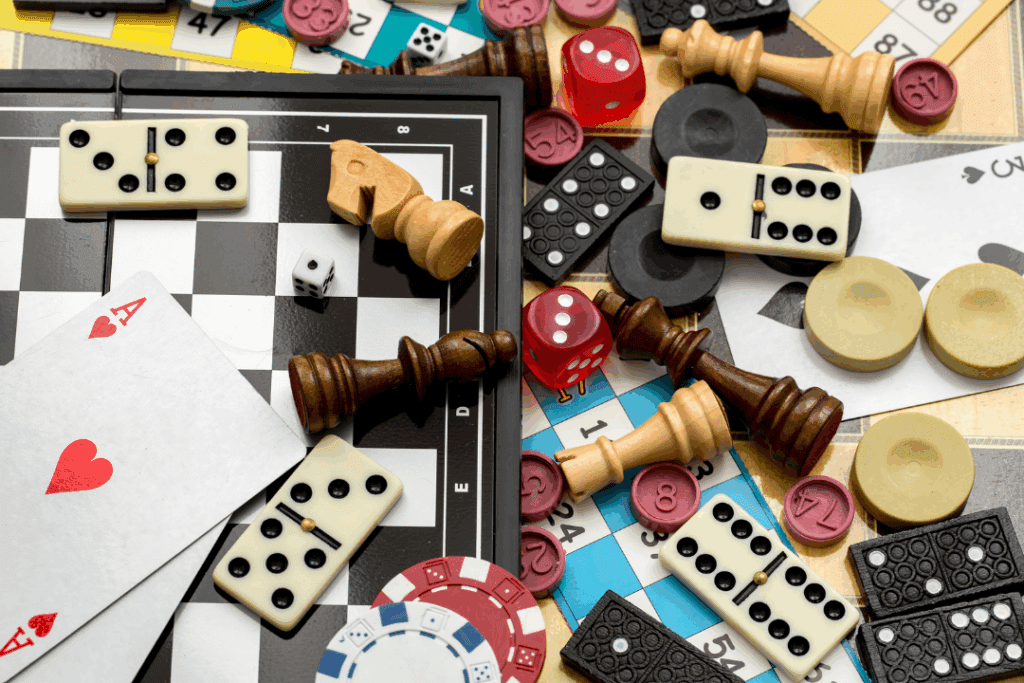
From Candy Land to cooperative strategy games, board games provide a playful yet powerful way for children to learn coping skills, emotional regulation, communication, and problem-solving. They can help kids open up, express feelings, and practice new behaviors in a safe, low-pressure setting. Whether used in a therapist’s office or around the family dinner table, board games can be a pathway to healing and connection.

Why Board Games Work in Therapy
Play is the natural language of children. Through play, kids explore emotions, relationships, and challenges in a way that feels natural and non-threatening. Board games can provide a structured yet flexible format that allows therapists to observe social behaviors, teach coping strategies, and strengthen emotional resilience. Here are some ways board games can help kiddos in the therapeutic space:
1. Safe emotional expression
When a child makes a choice in a game, they can project their feelings and experiences onto the play. For instance, frustration during a losing streak might mirror how they feel when other things don’t go their way. The therapist can use these moments to discuss emotional regulation and problem-solving.
2. Social skill development
Many children in therapy struggle with social skills, such as turn-taking, empathy, patience, or managing disappointment. Board games create natural opportunities to practice these skills in real time, with guidance and reinforcement from a therapist.
3. Executive functioning practice
Games that involve planning, memory, and decision-making help strengthen executive functioning—skills that are often challenging for children with ADHD, autism, or anxiety. Following rules, waiting turns, and thinking ahead all build cognitive flexibility and self-control.
4. Relationship building
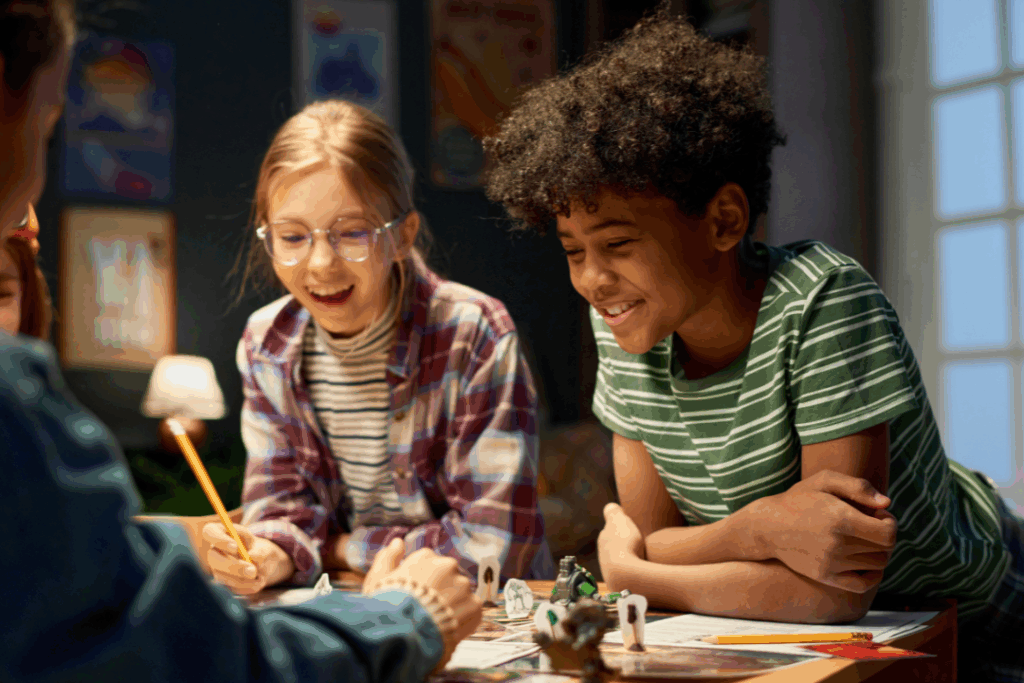
Playing games together builds rapport between the therapist and child. The fun, shared experience helps children feel more comfortable, paving the way for deeper emotional work. Laughter and play can turn therapy from something intimidating into something they look forward to.

Board Games with Therapeutic Value
Not every game on the shelf will suit every child or therapeutic goal, but some games have proven particularly effective in supporting emotional and social learning, like:
The Ungame
This non-competitive game focuses on conversation and sharing rather than winning. Cards prompt players to discuss feelings, values, and experiences (“What makes you feel proud?” or “Describe something that makes you angry”). Therapists use it to help children articulate emotions and practice listening.
Emotional Bingo
An emotion-themed bingo card helps kids recognize and label feelings—an essential step in emotional regulation. By calling out different feelings or showing emotion cards while children mark matching emotions on their boards, it helps kids learn to recognize, name, and talk about emotions in a fun, low-pressure way that builds emotional awareness and communication skills.
Jenga
Therapists often modify games like Jenga by writing prompts or questions on each block. Some examples are: “Name something that makes you happy” or “How do you calm down when upset?” The game becomes both interactive and emotionally meaningful.
Cooperative Games (Outfoxed!)
Cooperative games, where players work together toward a shared goal, encourage teamwork and empathy rather than competition. These are ideal for children who struggle with frustration, losing, or social anxiety.
Strategy Games (Ticket to Ride)
For older children, strategy games teach planning, problem-solving, and delayed gratification. They can also offer insights into how a child approaches challenges, negotiates rules, and handles setbacks.
Bringing the Benefits Home: Tips for Parents
Therapeutic play doesn’t have to end when the session does. Parents can extend these benefits at home by bringing in mindful game play to family time. Here’s how:
1. Choose games intentionally
Pick games that match your child’s age, interests, and needs. Cooperative games are great for building family connections, while emotion-based games can spark conversations about feelings. Try to avoid overly competitive games if your child struggles with frustration or anger.
2. Focus on the process, not the outcome
The goal isn’t to win; It’s to connect. Make sure to emphasize fun, teamwork, and communication. Praise effort, sportsmanship, and problem-solving rather than victory.
3. Use teachable moments
When your child feels upset about losing a turn or making a mistake, gently guide them through the emotion. Ask open-ended questions like, “What can we do next time when we feel frustrated?”
4. Model emotional regulation
Children often learn by watching adults. If you stay calm, laugh off a loss, and show patience, your child will likely follow your lead. Your example teaches resilience.
5. Keep it consistent
Make family game night a regular ritual! It reinforces predictability, security, and quality time—key elements of emotional well-being. Over time, your child will internalize the skills practiced during play.
Why It’s So Effective
At its core, using board games in therapy is about connection—to self, to others, and to emotions. The structured nature of a game gives children a sense of safety and predictability, while the playfulness reduces defensiveness. It allows kids to experiment with problem-solving, cooperation, and communication in real time.
Board games are more than entertainment; they’re a bridge between play and growth. Whether used by therapists to build trust and teach coping skills, or by parents to strengthen emotional connection at home, they offer countless opportunities for healing and development.
So next time you pull out a game, remember: each roll of the dice is a chance for your child to practice patience, express feelings, and experience the joy of shared play!
Maggie LeVaughn


Related Articles
-
Winter’s Rough: Here’s How to Become Less Isolated and More Connected
It is a winter night in Chicago. This has been one of the harshest winters we’ve...
Read More -
Active Listening with Your Partner
Active listening is one of the most powerful ways to show care in a relationship, yet...
Read More -
Body Language: Learning the Different Ways Your Nervous System Speaks to You
Imagine this. You’re in a different country at a train station where other people don’t speak...
Read More