9 Best Fidget Toys for Adults: Therapist-Approved Picks for Focus & Calm
Why Your Hands Need Something to Do (And That’s Completely Normal)
You know that feeling when you’re sitting in a meeting and your leg starts bouncing under the table? Or maybe you find yourself clicking a pen over and over, much to your colleague’s annoyance? Or perhaps you catch yourself skin picking without even realizing it? Your body is trying to tell you something important—it needs a little movement to help you think and stay calm.
Fidget toys aren’t just colorful distractions for kids. They’re becoming essential tools for adults who understand that sometimes our brains work better when our hands have something gentle to do. With over 75% of adults reporting moderate to high stress levels according to the American Psychological Association, it makes sense that we’re looking for simple, accessible ways to find moments of calm in our busy days.
From a therapeutic perspective, we see fidgeting as your nervous system’s way of self-regulating. Instead of fighting against this natural tendency, fidget toys work with it—giving you a healthy outlet that can actually improve your focus and emotional well-being.

Our Top 9 Picks for Adult Fidget Tools
Finding the right fidget options for adults isn’t just about play—it’s about keeping your fingers and mind engaged in a way that fits your setting. In this honest review, we highlight tools that make sitting easier, boost your ability to stay focused, and keep your hands busy without distraction.
1. ONO Roller Jr — When You Need Complete Silence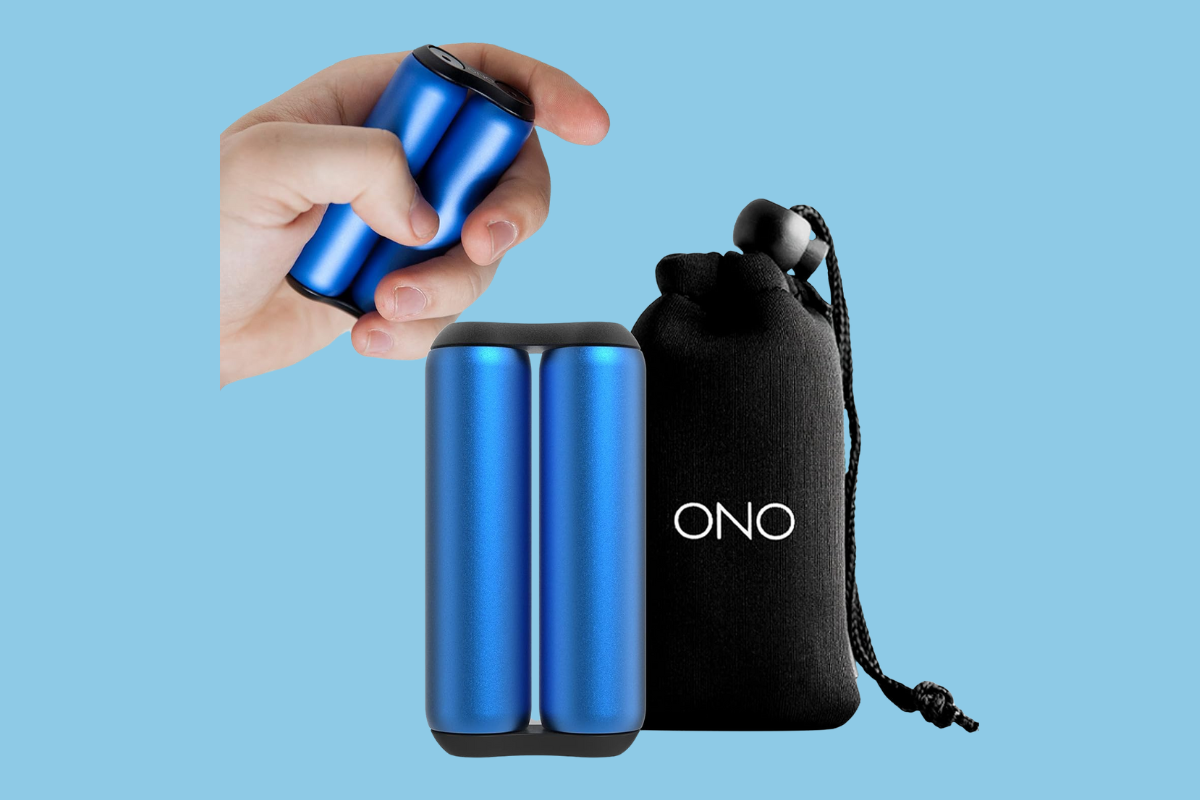

When your mind feels restless but the room is quiet, it can be hard to know how to soothe that energy without drawing attention. The ONO Roller Jr offers a smooth, silent rolling motion that many people find calming and grounding. It can be a discreet way to find a small moment of ease, even during meetings or shared spaces.
Why it might be helpful: Soft-touch material feels gentle on your fingers, and its compact size makes it easy to carry and use anywhere.
Consider this: It may feel small if you have larger hands, and it isn’t as sturdy as metal options, so a gentle touch is best.
2. Tangle Jr. — For When Anxiety Needs Continuous Motion
When anxiety starts to spiral, continuous, rhythmic movement can help interrupt those loops and bring you back to the present. The Tangle Jr. allows for endless twisting and turning, which can feel comforting and almost meditative.
Why it might be helpful: The flowing motion can help quiet racing thoughts, and the bright colors can gently lift your mood.
Consider this: It can make slight sounds in very quiet spaces, and the pieces may come apart if handled roughly.
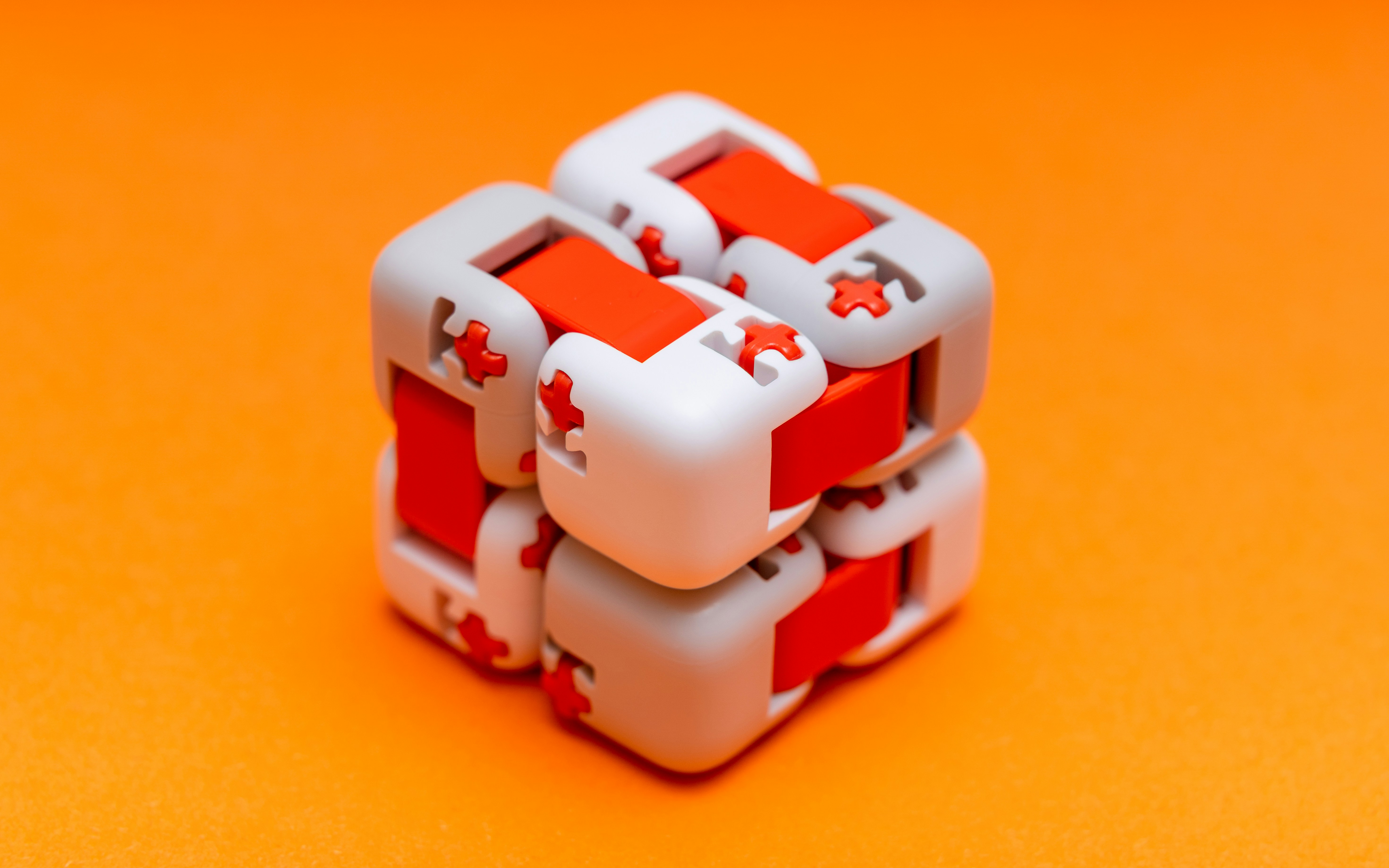
3. Infinity Cube — For Meditative, Mindful Movement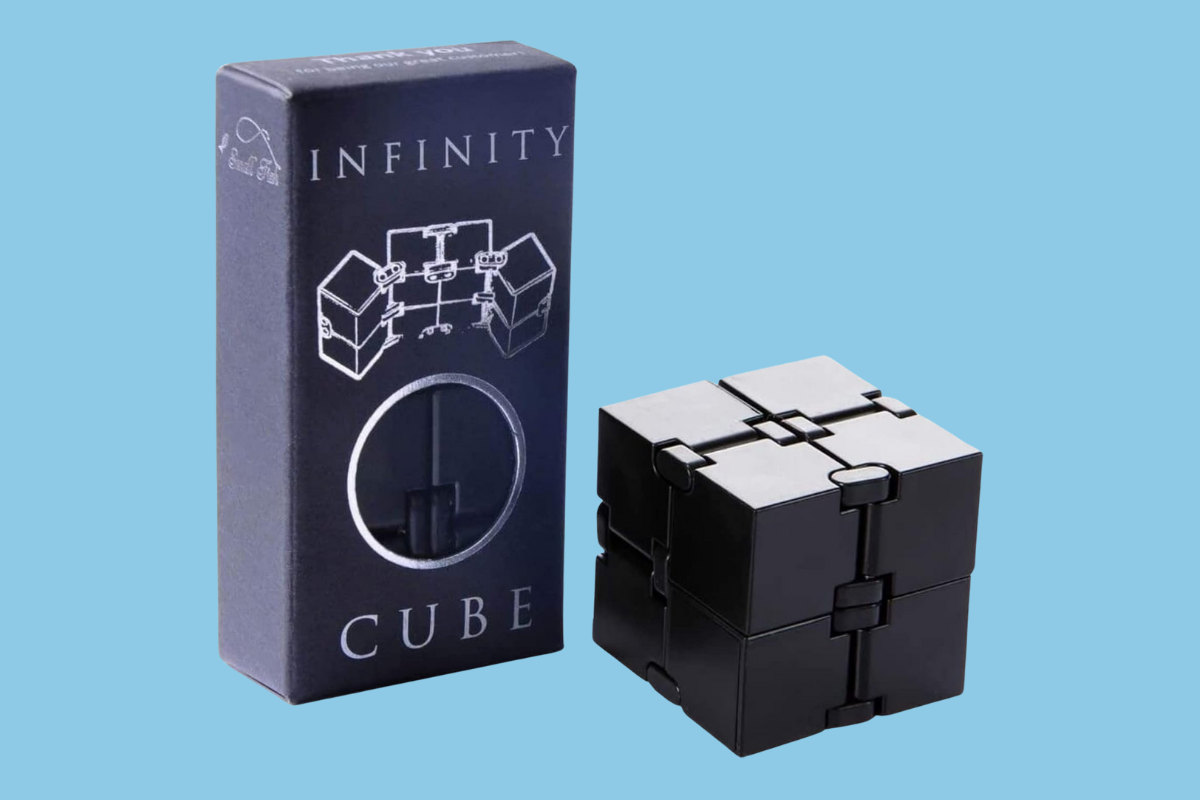
The repetitive folding motion of the Infinity Cube can serve as an anchor when your thoughts feel scattered. Many people find the steady, predictable movement offers a quiet way to reconnect with the moment.
Why it might be helpful: It’s completely silent and discreet, and the rhythmic folding can promote a sense of calm focus.
Consider this: Some may find the movement too repetitive over time. Heavier versions can also tire the hands during long use.
4. ATESSON Fidget Spinner — Channeling Restless Energy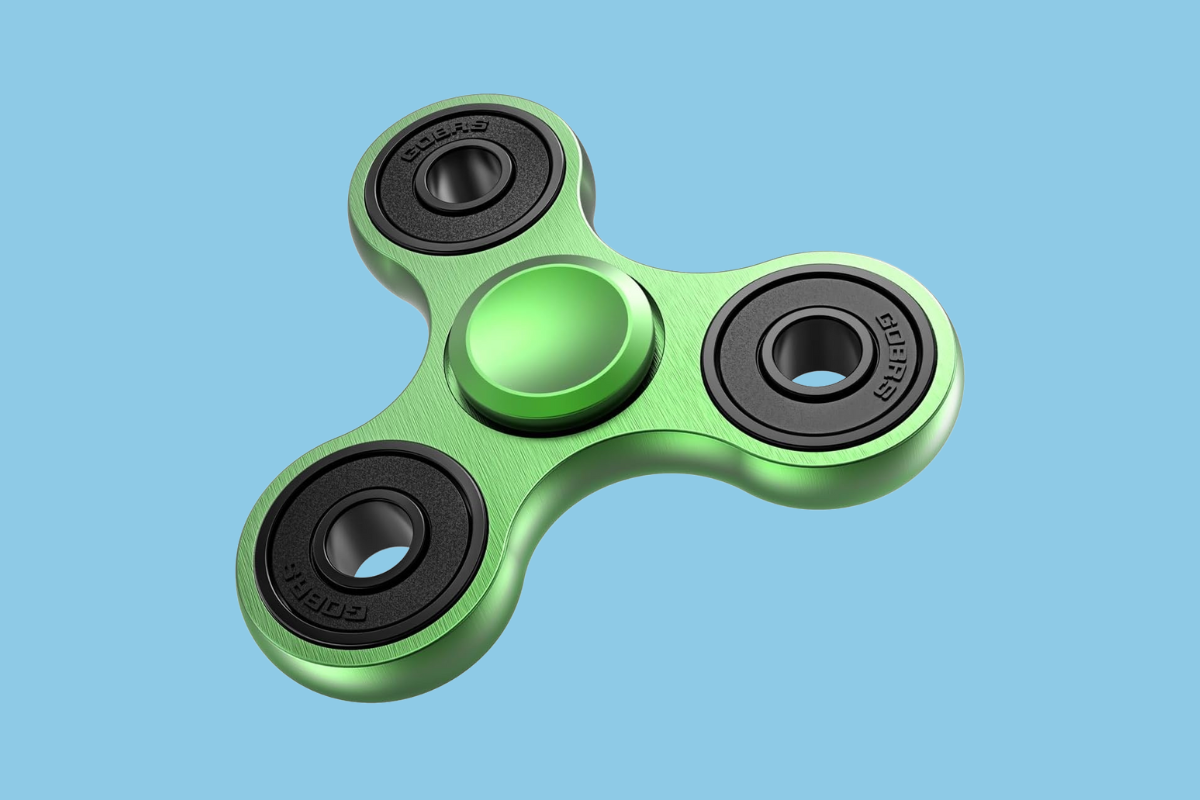
When you feel a strong urge to move or fidget, a fidget spinner can help channel that energy in a contained, steady way. The smooth, long-lasting spin of this metal version can feel soothing without being distracting.
Why it might be helpful: Quiet and easy to use, with a satisfying weight that makes the motion feel intentional and grounding.
Consider this: This fidget device requires occasional maintenance (tightening caps), and for some, the motion may not provide enough sensory feedback during intense anxiety.
5. Nee Doh Stress Cube — For When You Need to Squeeze Something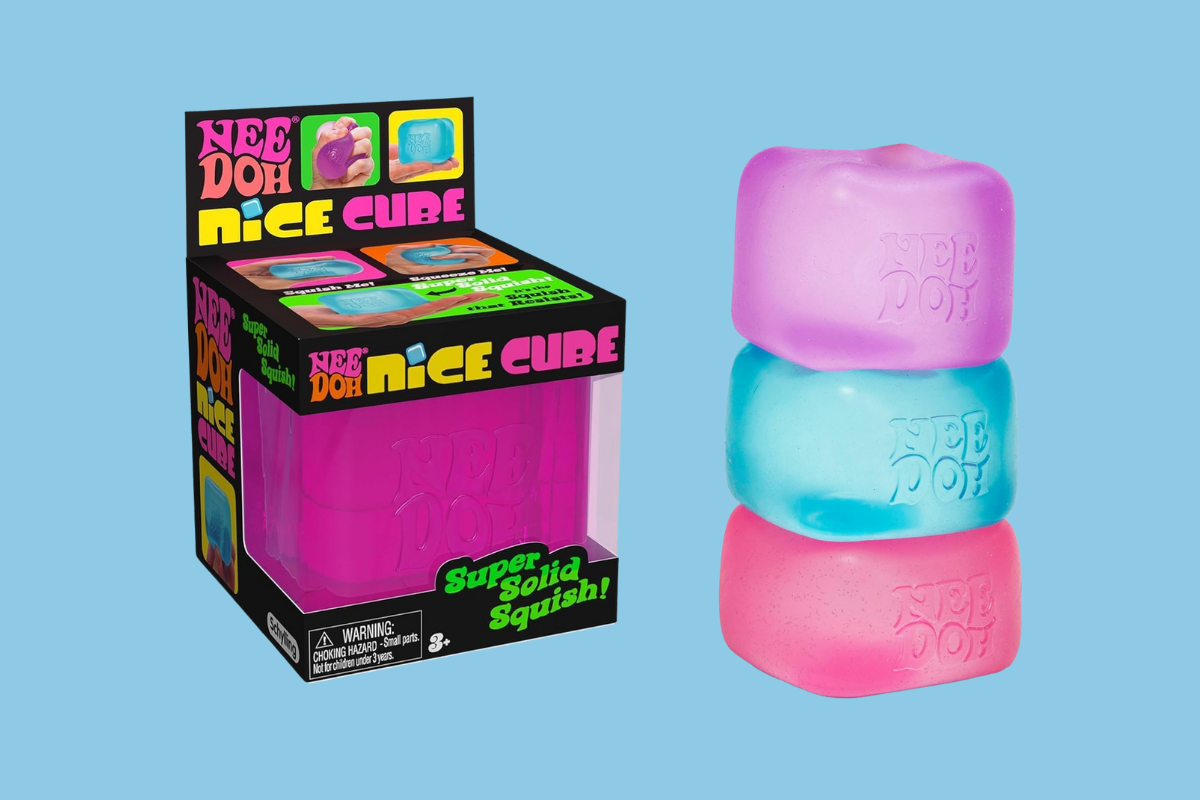
Sometimes tension builds up in the body — in the hands, jaw, or shoulders. A stress ball can offer a simple, physical way to release some of that tightness and reconnect with your body in the moment.
Why it might be helpful: The soft, squishy texture can feel deeply satisfying and help discharge physical tension.
Consider this: It can collect dust or lint over time, and some may find certain textures uncomfortable.
6. Magnetic Stones Fidget Toy — For a Calming Creative Outlet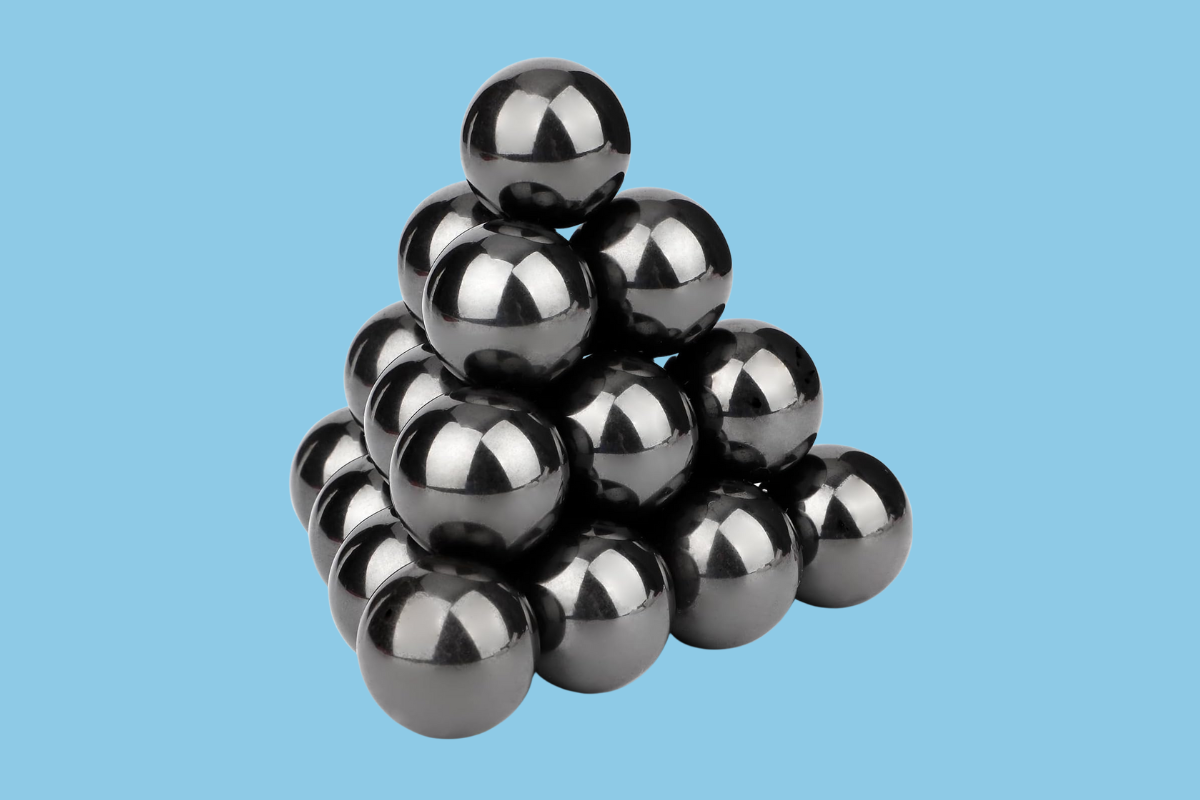
For those who experience restlessness or sensory seeking, these hematite magnetic stones offer a satisfying tactile and visual experience. Toss, attract, shake, and spin the smooth magnetic stones to engage your fingers and calm your mind.
Why it might be helpful: Offers tactile engagement to ease restlessness and improve focus. The mild magnets allow smooth one-handed use without frustration.
Consider this: Small pieces may pose risks around children and pets. Use moderately to avoid wrist strain.
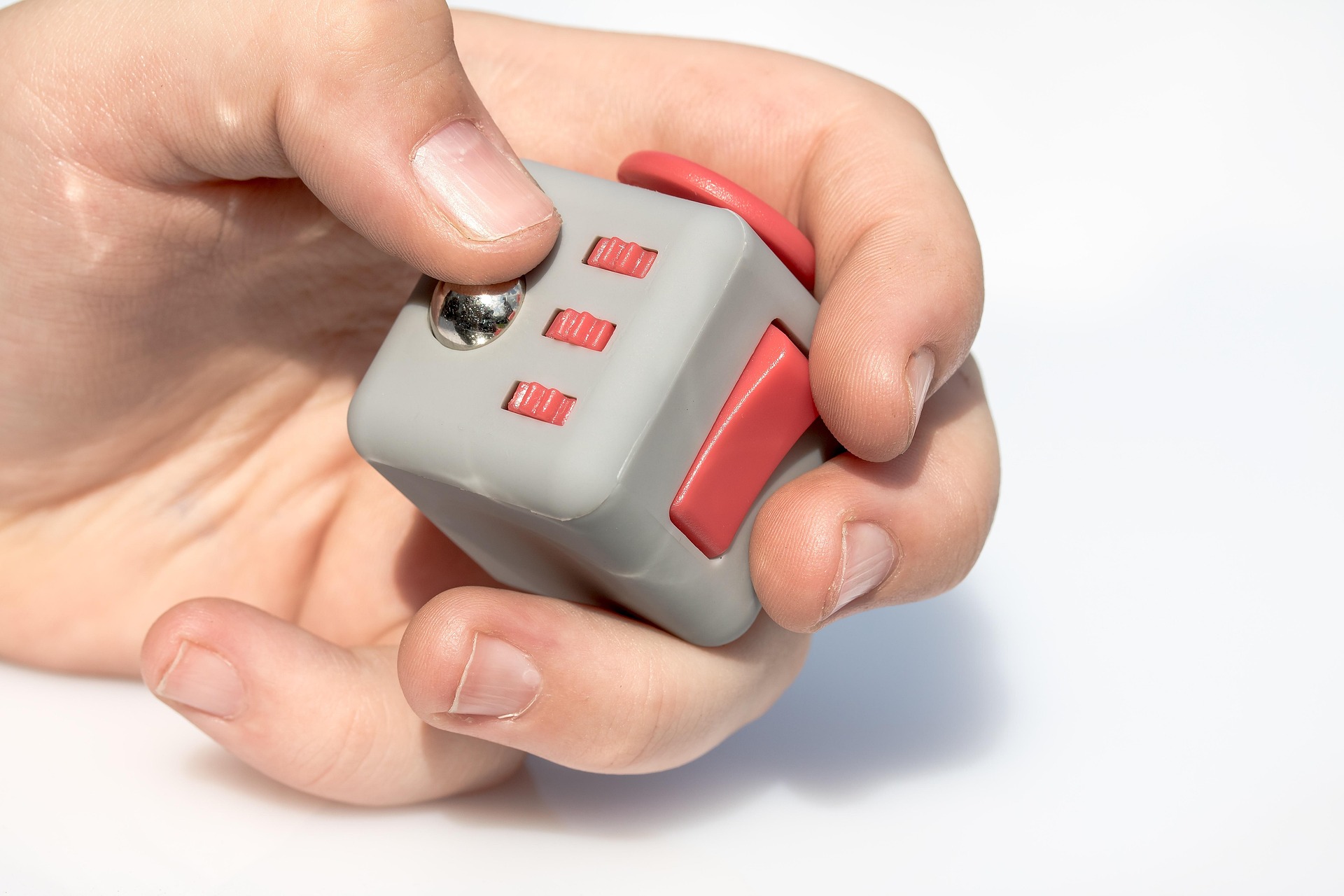
7. Fidget Cube — For Variety in Long Meetings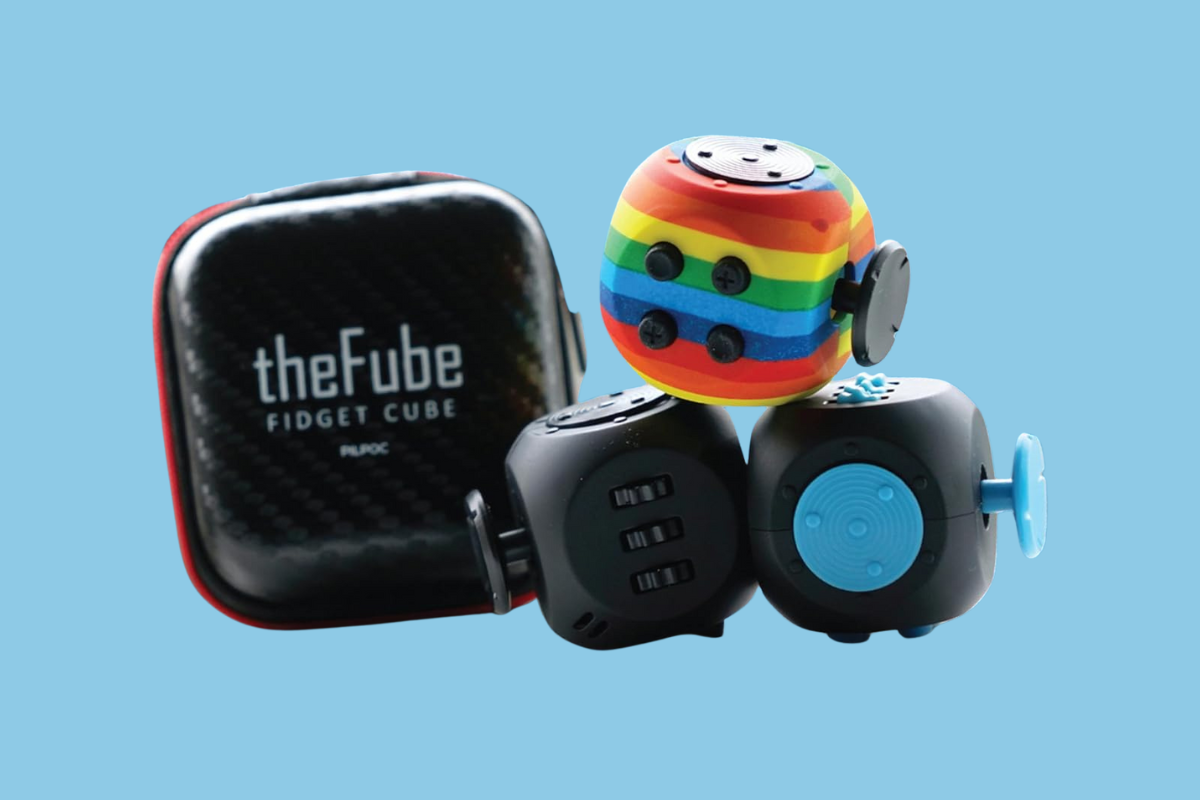
If you often feel restless during long meetings or calls, a fidget cube offers multiple ways to stay engaged and grounded. Each side offers a different tactile experience, allowing you to choose what feels most supportive in the moment.
Why it might be helpful: The variety helps you match your sensory needs throughout the day, and some sides are completely silent for discreet use.
Consider this: Certain sides make clicking noises, so it’s helpful to learn which work best for quiet settings.
8. Sensory Rings — For Subtle, Grounding Touch
When you need a very subtle way to stay present, sensory rings can offer easy, textured feedback that doesn’t draw attention. Rolling them along your fingers can help soothe anxious energy in a discreet, calming way.
Why it might be helpful: Incredibly lightweight and subtle, making them easy to use even in public or shared spaces.
Consider this: The light sensation may not be enough for more intense stress, and sizing can vary depending on finger shape.
9. Crags Magnetic Putty – For a Unique, Mess-Free Fidget Experience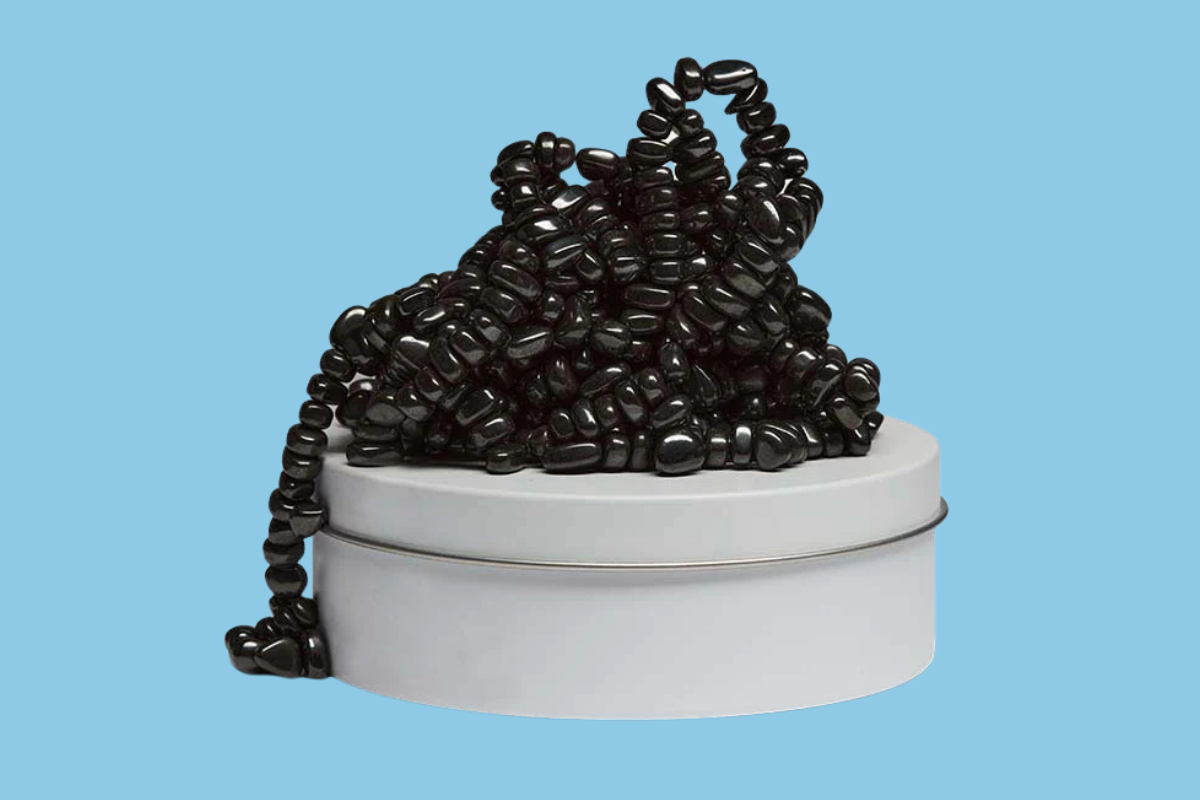
Crags magnetic putty flows through your fingers with a cool, smooth texture and soft clinking sounds, offering stress relief without the sticky mess of traditional slime or putty.
Why it might be helpful: Combines tactile and auditory feedback for calming sensory stimulation and improved focus. Comes in a portable metal tin for easy storage.
Consider this: Crags don’t hold shapes and can be a bit noisy, so they’re best for home or private office use.
The 9 Best Fidget Toys for Adults at a Glance
| Product Name | Best For | Pros | Cons |
| ONO Roller Jr | Quiet Office Use | Silent, portable, unique tactile feel | Small size, less durable |
| Tangle Jr. | Anxiety Relief | Continuous motion, creative, colorful | Can be distracting if overused |
| Infinity Cube | Discreet Fidgeting | Noiseless, compact, meditative motion | May feel repetitive to some |
| ATESSON Fidget Spinner | ADHD Support | Long spin, durable metal, quiet | Caps may loosen, not for severe ADHD |
| Nee Doh Stress Cube | Travel/On-the-Go | Satisfying squish, portable, durable | Can get dirty, not for all textures |
| Magnetic Sculpture Stones | Multi-Sensory | Creative, tactile, visual stimulation | Pieces can be lost, not for children |
| Fidget Cube | Long Meetings/Calls | Multiple functions, silent options | Some sides make noise |
| Sensory Rings | Mindfulness/Calm | Subtle, tactile, easy to carry | Can be too mild for some needs |
| Crags Magnetic Putty | Stress Relief, Sensory Stimulation | Unique tactile experience; mess-free; calming ASMR-like sounds | Doesn’t hold shapes; may be distracting in quiet public spaces |
How Something So Simple Can Make Such a Difference
Have you ever noticed how much clearer your thinking becomes when you’re walking, or how a warm cup of tea in your hands can make a difficult conversation feel more manageable? That’s your sensory system at work, helping your brain organize and process information more effectively.
Research shows that gentle sensory input—like the kind fidget toys provide—can help reduce anxiety and support better self-regulation. A 2022 study in Frontiers in Psychiatry found that sensory-based self-soothing techniques, including fidgeting, genuinely help people manage stress and maintain focus when life feels overwhelming.
When your hands are engaged in small, repetitive movements (like you might find with sensory toys), it can redirect restless energy in a way that actually enhances concentration rather than disrupting it. Think of it as giving your nervous system a light anchor—something steady and predictable that allows the rest of your mind to settle and focus on what really matters.
For those navigating ADHD, fidget toys can be particularly helpful. That need to move isn’t a flaw to overcome; it’s often your brain’s way of optimizing attention. The right fidget tool can channel that energy productively instead of it becoming a distraction.
Finding Your Perfect Match
Choosing the right fidget tool is a personal preference—what soothes one person might distract another. Here are some questions to guide your choice:
What kind of environments do you need support in? If you’re often in quiet, professional settings, prioritize silent options like rollers, cubes, or sensory rings.
How do you naturally self-soothe? Do you tend to squeeze things when stressed, or do you prefer gentle, repetitive motions? Your instincts can guide you toward the right type of sensory input.
What feels good in your hands? Some people love squishy textures, others prefer smooth metal or plastic. Consider visiting a store to feel different materials if possible.
How much stimulation helps versus overwhelms you? If you’re easily overstimulated, start with gentler options. If you need significant sensory input to feel grounded, look for tools with more substantial feedback.
Remember, you might benefit from different tools for different situations—a quiet spinner for work, a stress ball for the car, sensory rings for social situations where discretion matters most.
What Makes a Fidget Toy Truly Supportive (Not Just Trendy)
Not every fidget toy is created with your well-being in mind. When choosing a tool to support stress relief or focus, it’s important to consider more than just what keeps your hands busy. Here’s what we look for when recommending fidget tools for adults:
- Quietness matters more than you might think. A calming tool should help you settle without creating tension for people around you. The best options work almost silently, so you can stay grounded without worrying about distracting others.
- It needs to fit naturally into your life. If a toy is too bulky or too fragile, it will likely end up in a drawer. Portability and durability aren’t just convenient — they help ensure your tool is actually used when you need it most.
- It should feel like a background support, not a spotlight. The most effective fidget toys work quietly in the background, helping you stay present without drawing attention or curiosity in professional or public settings.
- Safety and quality matter for daily use. Look for non-toxic, sturdy materials that can handle regular handling. A reliable tool can become a steady companion for moments of stress or overwhelm.
Above all, it should offer real emotional support. We focus on tools that help with grounding, emotional regulation, and focus — not just items that feel fun for a few days and then lose their meaning.
Beyond Fidget Toys: Building Your Stress-Relief Toolkit
While fidget toys can be wonderfully helpful, they work best as part of a broader approach to managing stress and supporting your mental health. Consider weaving in other practices:
Breathing techniques like box breathing (in for 4, hold for 4, out for 4, hold for 4) can be done anywhere and provide immediate nervous system support.
Grounding exercises such as the 5-4-3-2-1 technique (notice 5 things you can see, 4 you can touch, 3 you can hear, 2 you can smell, 1 you can taste) can anchor you when anxiety starts to spiral.
Professional support remains invaluable for addressing underlying stress, anxiety, or attention challenges. Fidget toys are tools, not treatments, and connecting with a therapist can help you build personalized strategies for long-term well-being.
If you’re struggling with persistent anxiety, depression, or other mental health concerns, resources like the National Alliance on Mental Illness (NAMI) or the American Psychological Association (APA) can help you find appropriate professional support.
An Invitation to Try Something New
Your need for movement, for something to do with your hands, for small moments of sensory comfort—these aren’t flaws to overcome. They’re your nervous system’s way of seeking balance and regulation in a world that often feels overwhelming.
Whether you choose a simple stress ball or an intricate magnetic sculpture, the goal isn’t perfection—it’s progress toward feeling a little more settled in your own skin. Start small, be patient with yourself, and remember that finding the right support tools is part of caring for yourself, not fixing yourself.
If you’d like to explore any of these options or if you’re finding that stress and anxiety are impacting your daily life in bigger ways, we’re here to help. Sometimes the best tool is simply having someone to talk to who understands what you’re going through.
Ready to give your hands something helpful to do? Try one of these tools and notice how small moments of sensory support can make your days feel a little more manageable. And remember—if you need more comprehensive support for stress, anxiety, or focus challenges, reaching out to a mental health professional is always a wise and caring choice for yourself.
Frequently Asked Questions About Adult Fidget Tools Sensory Toys
Do fidget toys actually work for anxiety, or is it just a placebo effect?
Research suggests that sensory input genuinely helps with self-regulation and stress management. While individual experiences vary, many people find real relief through appropriate fidget tools combined with other coping strategies.
I don’t have ADHD—are fidget toys still helpful for me?
Absolutely. While they’re popular among people with ADHD, fidget toys can benefit anyone dealing with stress, restless energy, or focus challenges. Your nervous system doesn’t need a diagnosis to appreciate grounding sensory input.
What if my colleagues think fidget toys are childish or unprofessional?
The key is choosing subtle, quiet options and using them appropriately. Most people won’t even notice a sensory ring or small cube, especially if it’s helping you stay focused and calm during meetings.
Can fidget toys become a distraction instead of helping focus? Like any tool, they can be misused. Start with gentler options and pay attention to whether they’re helping or hindering your concentration. The goal is support, not entertainment.
Should I still consider therapy if fidget toys help my anxiety?
Fidget toys are wonderful self-care tools, but they’re not a replacement for professional mental health support when you need it. If anxiety is significantly impacting your life, working with a therapist can provide deeper, lasting strategies for well-being.
About Optimum Joy Counseling
Optimum Joy Counseling was founded on the belief that it is possible to experience joy no matter how difficult your circumstances. With offices in Chicago and Denver and online therapy available throughout Colorado and Illinois, we are dedicated to helping people from diverse backgrounds pursue self-awareness, personal development, and fulfilling relationships. If you are interested in our services or learning more, don’t hesitate to give us a call or fill out an intake form. We would love to support you.
This article is for informational purposes only and is not a substitute for professional mental health advice, diagnosis, or treatment. If you’re struggling with persistent anxiety, depression, or other mental health concerns, please consider reaching out to a qualified mental health professional.

Related Articles
-
Finding Calm: Body–Mind Practices for Greater Connection With God and Others
When Your Body Won’t Slow Down Have you ever tried to pray but felt too distracted...
Read More -
When Seasons Change
As seasons change, many people notice a shift in how they feel before they can explain...
Read More -
ADHD Tools
One of the most common pieces of advice I hear people give is, “Just make a...
Read More